Elene Akhvlediani And Her Era
At the beginning of the 20th century, when Elene Akhvlediani had just begun her artistic career, Georgian art acknowledged several models of landscape painting ranging from documentary fixation to generalized imagery. Elene Akhvlediani created a new type of the landscape picture, choosing Georgia as her main subject matter. In her works, the landscape is used to create a model of a universe that centers around Georgia. Accordingly, Elene Akhvlediani’s works essentially offer up a presentation of her home country.
From the very beginning the artist chose the language of Modernism, and she did so in a manner that does not violate the important reference points in Georgian culture. She is distinguished among other virtuosos of landscape painting such as David Kakabadze, Alexander Tsimakuridze, Valerian Sidamon-Eristavi and Shalva Kikodze by her particular ability to create landscape analogues and their interpretations. Based on her position and application of visual means, Akhvlediani stands closest to Davit Kakabadze.
At the beginning of the century, when it was difficult to strike a proper balance between tradition and innovation, especially in the European cultural context, which was rich with frequently emerging new movements, Elene Akhvlediani traveled to Paris, became part of the Modernist movement, and managed to use the elements of the new movements in her work as a way of maintaining the urgencies of Georgian culture.
In the 1920s, various directions of modernist art were introduced into Georgian culture by the representatives of the ‘Paris-Tbilisi’ Art School (in 1927 Davit Kakabadze, Lado Gudiashvili, Elene Akhvlediani and Ketevan Magalashvili returned to Georgia from Paris; Vera Paghava, Vano Enukidze, Vasil Jorjadze, Ilia Zdanevych continued living as emigrants; Shalva Kikodze and Mikheil Bilanishvili died abroad). The main direction of Modernism in Georgia was created by these artists: returnees and emigrants. Notwithstanding the Iron Curtain of Communism, their works are marked by similar processes that establish an invisible connection between them.
In Paris, which at that time was the cultural center of the world, Elene Akhvlediani chose the position of transforming views of the world into a show. She had an amazing ability to see something extraordinary in the everyday, to paint the charm of existence, to award everything she painted with a certain degree of beauty: landscapes, objects, figures, light, the air; to turn every show into a celebration and make beauty the dominant aspect of any event. Her goal was to present the landscape as a multidimensional model, to add the context of location to the real image of an object, to expand its meaning, to imbue the motif with emotion, mood and feeling, and to transform the image into an ‘icon.’
The spaces and figurative images of the French and Georgian landscapes from her Paris period are compressed into cubist volumes. The compositions are mostly designed with the help of multi-faceted buildings and ‘broken’ contours that resemble the crystals suspended in space. The scenes that are constructed against the background of a high horizon are among the favorite compositional methods of the artist. The influence of Cubism is at times replaced with expressionist modeling; at others the themes are shown through the pictorial boldness of Fauvism. Occasionally the artist applies the characteristic stylized contours of modernity (the Nude series).
During her time in Paris and after her return to Georgia, Elene Akhvlediani managed to transform her pictorial experiences in the fields of Post-Impressionism and Fauvism, the stylistic signs of Cubism and Expressionism, along with Constructivist schemes into a Georgian ‘species’ – to surround them with a Georgian entourage and translate them into Georgian language. Later, she tried to avoid the ideology of social realism in a manner that would not allow her to be accused of formalism, but at the same time would enable her to silently turn her European experiences into a Georgian phenomenon. As such, she preferred to attach the style of Cubism to the shapes of the mountains, passes and houses, to insert the style of modern lines into figurative paintings, to adapt the impressionistic atmosphere to the landscapes of Georgia, and include constructivism in theater decorations.
Elene Akhvlediani started painting in Kakheti and throughout her career presented Kakheti like Gauguin did so with Tahiti, Van Gogh – Arles, Matisse – Morocco, Cézanne – Saint-Victoria, and David Kakabadze – Imereti. Her works became iconographic schemes of Kakheti: the snowy Caucasus Mountains against a background of blue sky, Sighnaghi, houses on the Gombori ridge resembling a bunch of grapes, villages that float like a ship in the open space of the Alazani Valley; landscapes of Kakheti – impressionistic impressions with fixed time, weather, and lighting. Old houses, narrow streets and open spaces that bear the colors of Georgian rugs often end up as models of Fauvist paintings. The Kakheti series creates an overall image of the place.
Landscape variations are among Akhvlediani’s favorite themes; the universe, its material structure and infinite resource of beauty are her elements. She paints each object with mastery and remarkable passion. Sometimes she looks down at the Alazani Valley from the sky and ‘enjoys’ the space; at other times she quickly passes through the houses scattered under Narikala fortress, gathers together the roofs and balconies as if they were the beads of a rosary, and lets them shine like the colors of the precious stones. In the foreground the artist erects a ‘lattice’ of trees that stand in front of vast spaces: green, blue, or snowy mountains with winding roads, red-roofed houses scattered like mushrooms across a meadow and clouds floating in the sky, fog wisps or sun beams.
Akhvlediani’s drawings manifest many versions of pictorial combinations, ranging from faded intonations of halftones to clear local colors; from the soft modeling of light and shadow to the contrasting, decorative generalization of different tones. The artist freely utilizes the experiences gained from different movements. In her paintings the Impressionist and Post-Impressionist methods are replaced by the bold impulses of Fauvism or modernist decorative spots. She employs different methods and techniques to the endless fields of Kakheti, the emerald landscapes of Imereti, or the golden and coral-colored meadows of Kartli. The artist reveals the mosaic diversity of Tbilisi’s yards, white Svanetian towers and glaciers against backgrounds of blue sky, etc. She presents Georgia in bright colors, and guides us through the country – taking us to the forest, showing us the mountain ridges and blue sky while strolling through the middle of meadows. She lets us feel the rain, the heat, the anxiety of fog. Apart from Georgia, she painted landscapes wherever she traveled and lived: in Italy, France, Russia, Czechoslovakia, Estonia, Ukraine, amongst others.
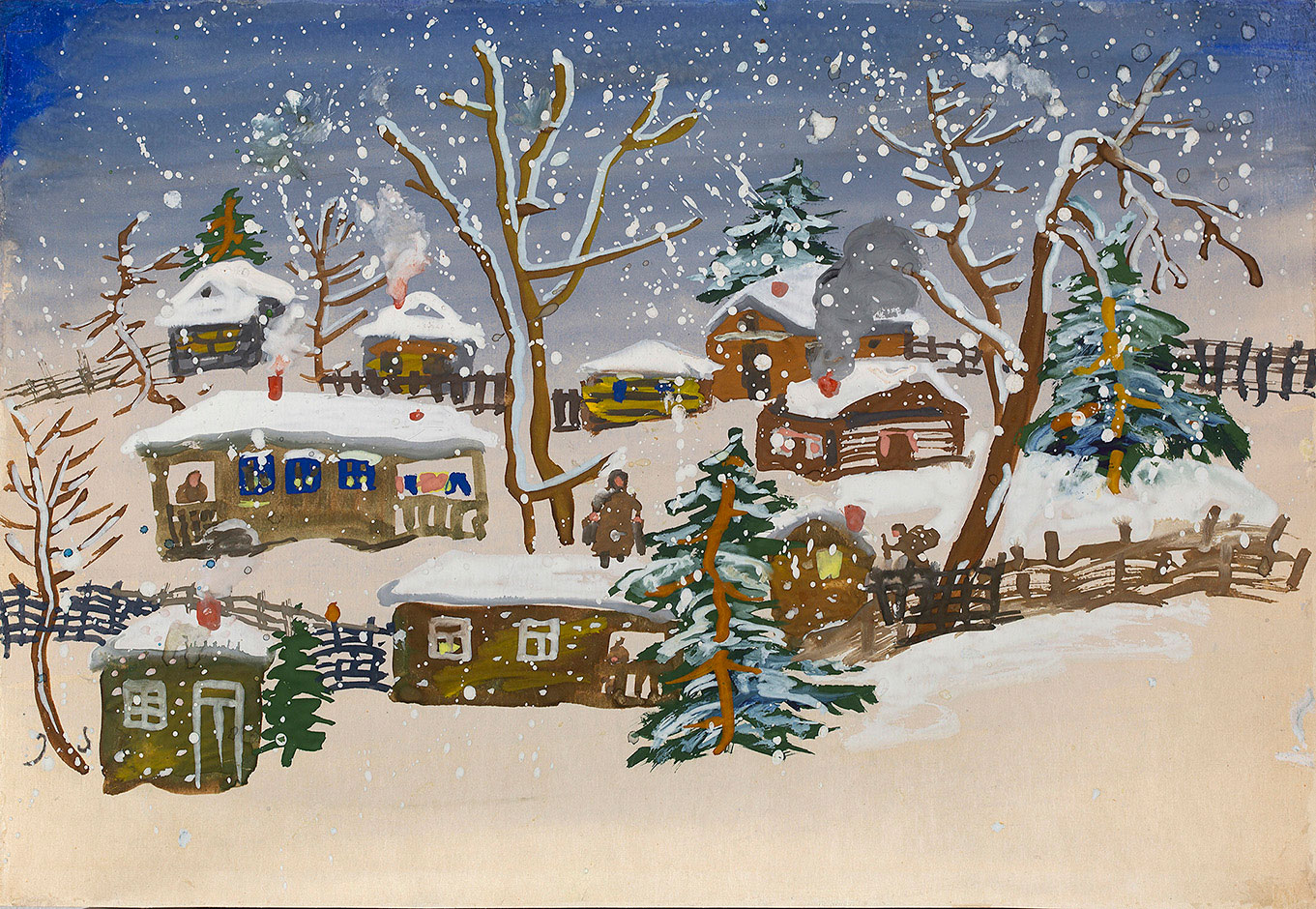
After having entered the yards of old Tbilisi, Akhvlediani perceives the houses as the living beings and tells us their ‘biographies.’ In such a way, each house becomes a character in her paintings. Along with the yards, they are decorated with laundry, rugs, carpets, and figures – the images have ornaments added to them. The weather is used to ‘embroider’ the surface of the painting. It shows the cold of winter or the brightness of spring, or the ripe colors of autumn. Like the Japanese artists, Akhvlediani paints silence and the winter solstice – when the silence is only disturbed by the sound of falling snowflakes. She makes us feel the heat of the summer and the smell of autumn by animating the objects, and reaching beyond the visual barriers with an absorbing gaze. The artist goes beyond the objects; floats above the houses and balconies, through the clouds and the trees, the leaves, and the grass.
The compositional scheme of Akhvlediani’s landscapes resembles the model of a stage, where scenographic decorations moderate the elements in all her works. The structure of the composition is designed in such a way that form and color are distributed according to the principle of a rhythm. The image is created through a stroke here and a line there, a contour and colorful spots to depict the trees, mountains, houses, balconies, laundry, snowflakes, clouds, and stones.
Akhvlediani worked mostly during plein air sessions, painting real landscapes from life. As a result of capturing the exact ‘image’ of a location, any landscape is easily recognizable in her paintings. The initial identity of the image always features her own ‘theme’ – voice, intonation, emotion, and personal modification that transform it into something ‘autofigural.’ The universe Akhvlediani creates is always marked with her personal imprint.
Baia Tsikoridze
ელენე ახვლედიანი და მისი ეპოქა
მე-20 საუკუნის დასაწყისში, როცა ელენე ახვლედიანი მოღვაწეობას იწყებს, ქართულ ხელოვნებაში პეიზაჟური მხატვრობის რამდენიმე მოდელი არსებობს – ლანდშაფტის დოკუმენტური ფიქსაციიდან განზოგადებულ გამოსახულებამდე. ელენე ახვლედიანი ქართული პეიზაჟური ფერწერის ახალ სახეს ქმნის და მთავარ ობიექტად საქართველოს ირჩევს. მის ნამუშევრებში პეიზაჟის საშუალებით სამყაროს მოდელი იქმნება და ეს მოდელი მისთვის – საქართველოა; ამიტომ ელენე ახვლედიანის შემოქმედება ერთგვარად საქართველოს პრეზენტაციაა.
მხატვარი თავიდანვე მოდერნისტული მხატვრობის ენას ირჩევს – ისე, რომ არ არღვევს ქართული კულტურის მნიშვნელოვან ორიენტირებს. ის ლანდშაფტური ანალოგიების შექმნისა და მათი ინტერპრეტირების განსაკუთრებული უნარით გამოირჩევა პეიზაჟური მხატვრობის ისეთ ვირტუოზებს შორის, როგორებიც არიან: დავით კაკაბაძე, ალექსანდრე ციმაკურიძე, ვალერიან სიდამონ-ერისთავი და შალვა ქიქოძე. პოზიციურად და სახვითი საშუალებებით ახვლედიანი ყველაზე ახლოს დავით კაკაბაძესთან დგას.
საუკუნის დასაწყისში, როცა რთული იყო ბალანსირება ტრადიციასა და ნოვატორობას შორის, მით უმეტეს ევროპული კულტურის სივრცეში, სადაც ძალიან სწრაფად ჩნდებოდა უამრავი ახალი მიმდინარეობა, ელენე ახვლედიანი პარიზში მიემგზავრება, მოდერნისტული ხელოვნების მონაწილე ხდება და ახერხებს, ისე გამოიყენოს ახალი მიმდინარეობების ელემენტები თავის შემოქმედებაში, რომ ქართული კულტურის პრიორიტეტი შეინარჩუნოს.
1920 – იან წლებში, ქართულ კულტურაში მოდერნისტული ხელოვნების სხვადასხვა მიმართულება „პარიზი – თბილისის“ მხატვრული სკოლის წარმომადგენლებმა შემოიტანეს (1927 წელს დავით კაკაბაძე, ლადო გუდიაშვილი, ელენე ახვლედიანი, ქეთევან მაღალაშვილი – პარიზიდან საქართველოში დაბრუნდნენ; ვერა ფაღავა, ვანო ენუქიძე, ვასილ ჯორჯაძე, ფელიქს ვარლამიშვილი, ილია ზდანევიჩი – ემიგრაციაში დარჩნენ; შალვა ქიქოძე და მიხეილ ბილანიშვილი – უცხოეთში გარდაიცვალნენ). მოდერნისტულ ხელოვნების ძირითად მიმართულებას ქართულ კილტურაში სწორედ ეს მხატვრები ქმნიან: დაბრუნებულები და ემიგრანტები. მათ შემოქმედებაში, სოციალიზმის რკინის ფარდის მიუხედავად, ანალოგიური პროცესები მიმდინარეობს, თითქოს მათ შორის უხილავი კავშირი არსებობს.
პარიზში – იმდროინდელი სამყაროს კულტურის ცენტრში, ელენე ახვლედიანი საკუთარ პოზიციას ირჩევს – სამყაროს ხედებს გარდაქმნის სანახაობად. საოცარი უნარი აქვს: შეუძლია ჩვეულებრივში დაინახოს არაჩვეულებრივი, ყოფიერების ხიბლი დახატოს, სილამაზის განსაკუთრებული ხარისხი მიანიჭოს ყველაფერს, რასაც ხატავს – ლანდშაფტს, საგნებს, ფიგურებს, ჰაერს, სინათლეს; ყოველი სანახაობა აქციოს დღესასწაულად და სილამაზე გახადოს ნებისმიერი მოვლენის დომინანტი. მისი მიზანია ლანდშაფტი მრავალგანზომილებიანი მოდელით წარმოგვიდგინოს – ობიექტის რეალურ სახეს ადგილმდებარეობის კონტექსტი დაამატოს, გააფართოოს მისი მნიშვნელობა, მოტივი გაჟღინთოს ემოციით, განწყობით, განცდით; გამოსახულება „ხატად“ აქციოს.
პარიზის პერიოდის ფრანგული და ქართული პეიზაჟების სივრცე და ფიგურატიული გამოსახულებები შეკუმშულია კუბისტურ მოცულობებამდე. კომპოზიციები უმეტესად აგებულია წახნაგოვანი შენობებით და „ტეხილი“ კონტურით, თითქოს კრისტალებია აღმართული სივრცეში. მაღალი ჰორიზონტის ფონზე კონსტრუირებული სცენები – მხატვრის საყვარელი კომპოზიციური მეთოდია. კუბიზმის გავლენა ზოგჯერ ექსპრესიონისტული მოდელირებით იცვლება, ზოგჯერ კი თემა ფოვიზმის ფერწერული გაბედულებით არის გადმოცემული. ხანდახან მხატვარი მოდერნის დამახასიათებელი სტილიზირებული კონტურით მუშაობს (სერია „ნიუ“).
პარიზში მოღვაწეობის დროსაც და შემდეგ, საქართველოში დაბრუნებული ელენე ახვლედიანი ახერხებს – პოსტიმპრესიონიზმისა და ფოვიზმის ფერწერული გამოცდილება, კუბიზმისა და ექსპრესიონიზმის სტილისტური ნიშნები, კონსტრუქტივიზმის სქემები ქართულ „სახეობად“ გარდაქმნას, ქართული ანტურაჟი მოარგოს მათ და ქართულ ენაზე აამეტყველოს. მოგვიანებით, ცდილობს სოცრეალიზმის იდეოლოგიას ისე აუაროს გვერდი, რომ ფორმალიზმში არ დაადანაშაულონ და ამასთანავე, ევროპული გამოცდილება შეფარულად აქციოს ქართულ მოვლენად – ამიტომ, ურჩევნია კუბიზმის „ტექნო“ სტილი მთების, უღელტეხილების და სახლების ფორმებს მიამაგროს, მოდერნის ხაზის სტილიზაცია ფიგურატიულ ნახატში ჩასვას, ფერის და სინათლის იმპრესიონისტული ვიბრაცია საქართველოს ლანდშაფტებს მოარგოს, კოსტრუქტივიზმი კი თეატრის დეკორაციებში ჩართოს.
ხატვა ელენემ პირველად კახეთში დაიწყო და მთელი შემოქმედების მანძილზე ხატავდა კახეთს, როგორც გოგენი – ტაიტს, ვან გოგი – არლს, მატისი – მაროკოს, სეზანი სენტ ვიქტორიას, დავით კაკაბაძე – იმერეთს. მისი სურათები კახეთის იკონოგრაფიულ სქემებად იქცა: თოვლიანი კავკასიონი ლურჯი ცის ფონზე; სიღნაღი, გომბორის ქედზე ყურძნის მტევანივით ასხმული სახლებით, ხომალდივით მიცურავს ალაზნის ველის ზღვასავით გაშლილ სივრცეში; კახეთის პეიზაჟები – იმპრესიონისტული შთაბეჭდილებებია – დროის, ამინდის, განათების ფიქსაციით. ძველი სახლები, ვიწრო ქუჩები და გაშლილი სივრცეები შეფერილი ქართული ფარდაგის ფერადოვნებით ხშირად ფოვისტური ფერწერის მოდელით სრულდება. კახეთის სერია – ადგილის ხატია.
ლანდშაფტური ვარიაციები – მისი საყვარელი თემაა, სამყარო თავისი მატერიალური სტრუქტურით და სილამაზის უსასრულო რესურსით – მისი სტიქია. ვირტუოზული ოსტატობითა და საოცარი გატაცებით ხატავს ყველა ობიექტს: ხან ციდან დაჰყურებს ალაზნის ველს და სივრცით „ერთობა“, ხან ელვის სისწრაფით გადაუვლის ნარიყალას ქვეშ გაბნეულ სახლებს, კრიალოსანივით აასხამს კონტურის ძაფზე და ძვირფასი თვლების ელვარებით ააფერადებს სახურავებს და აივნებს; სურათის წინა პლანზე აღმართავს ხეების „ცხაურას“, რომლის უკან უკიდეგანო სივრცე იშლება: მწვანე, ლურჯი ან თოვლიანი მთების გრეხილით და კლაკნილი გზებით, მდელოზე სოკოებივით გაფანტული წითელსახურავებიანი სახლებით და ცაზე მცურავი ღრუბლებით, ნისლის ფანტელებით თუ მზის სხივებით.
მის სურათებში ფერწერული კომბინაციის უამრავი ვერსიაა: ნახევარტონების მქრქალი ინტონაციიდან მკაფიო, ლოკალურ ფერებამდე, შუქ-ჩრდილის რბილი მოდელირებიდან ფერის კონტრასტულ, დეკორატიულ განზოგადოებამდე. მხატვარი თავისუფლად იყენებს ფერწერის სხვადასხვა მიმდინარეობის გამოცდილებას: მის ნახატებში იმპრესიონისტულ და პოსტიმპრესიონისტულ მეთოდებს ფოვიზმის გაბედულ იმპულსი ან მოდერნის დეკორატიული ლაქები ცვლის. სხვადასხვა მეთოდით და ტექნიკით ხატავს კახეთის თვალუწვდენელ ველებს, იმერეთის ზურმუხტისფერ ლანდშაფტებს, ქართლის ოქროსფერ და ძოწისფერ მინდვრებს; გადმოსცემს თბილისის ეზოების მოზაიკურ სიჭრელეს, ლაჟვარდისფერ ცაზე თეთრად აელვარებს სვანურ კოშკებს და მყინვარებს და სხვა. კაშკაშა ფერების დეკორაციით აფერადებს საქართველოს, რომელშიც მეგზურივით დაგვატარებს: ტყეში შევყავართ, მთის ქარაფიდან გადმოგვახედებს, მინდვრების შუაგულში მიმავალთ ცის სილურჯეს და ფოთლების სიხასხასეს დაგვანახებს; წვიმის სისველეს, სიცხით გათანგულობას, ნისლით შფოთიანობას გვაგრძნობინებს. საქართველოს გარდა ლანდშაფტებს ხატავს ყველგან, სადაც მოგზაურობს და ცხოვრობს: იტალიაში, საფრანგეთში, რუსეთში, ჩეხოსლოვაკიაში, ესტონეთში, უკრაინაში და სხვ.
ძველი თბილისის ეზოებში შესული, სახლს, როგორც ცოცხალ არსებას, ისე აღიქვამს; გვიყვება სახლის „ბიოგრაფიას“; ამიტომ, მის ნახატებში თითოეული სახლი პერსონაჟია. სახლებს და ეზოებს სარეცხით, ფარდაგებით, ხალიჩებით, ფიგურებით ამკობს – თითქოს ორნამენტით რთავს გამოსახულებას. ამინდით „ქარგავს“ ნახატის ზედაპირს – ზამთრის სუსხით თუ გაზაფხულის სიხასხასით; შემოდგომის მწიფე ფერებით აფერადებს. იაპონელი მხატვრების მსგავსად ხატავს სიჩუმეს; ზამთრის გარინდებას გადმოსცემს, როცა მხოლოდ ფანტელების ცვენის ხმა არღვევს მდუმარებას; ზაფხულის სიცხით გათანგულ ჰაერს და შემოდგომის სუნს გვაგრძნობინებს. აცოცხლებს საგნებს, მშთანთქავი მზერით აღწევს ვიზუალურ მოცემულობათა მიღმა; საგნების იქით გადის, თავზე ევლება სახლებს და აივნებს, ღრუბლებს და ხეებს, ფოთლებს და ბალახს.
მისი პეიზაჟების კომპოზიციური სქემა სცენის მოდელს ჰგავს და ეს სცენოგრაფიული დეკორატიულობა ზომიერად ახლავს ყველა მის ნამუშევარს. კომპოზიციის სტრუქტურა ისე არის აგებული, ფორმა და ფერი ისე ნაწილდება, რომ ყველგან რიტმია – მონასმით და ხაზით შექმნილი, კონტურული ნახატით და ფერადოვანი ლაქების განლაგებით განპირობებული – ხეების, მთების, სახლების, აივნების, სარეცხის, ფანტელების, ღრუბლების, ქვების გამოსახულებებში.
ძირითადად პლენერზე მუშაობს, რეალურ ლანდშაფტს ხატავს. მის ნახატებში მაშინვე იცნობთ ნებისმიერი პეიზაჟის ადგილმდებარეობას, ისე ზუსტად აქვს „დაჭერილი“ ადგილის „ხატი“. სურათების იდენტურობას მათ პირველსახესთან, ყოველთვის ემატება ავტორის „თემა“, მისი ხმა, ინტონაცია, ემოცია, პერსონალური მოდიფიკაცია – ანუ სურათი ხდება „ავტოფიგურალური“. ხატავს ისე, რომ მის მიერ შექმნილ სამყაროს ყოველთვის მისი პერსონალური ანაბეჭდი ახლავს .
ბაია წიქორიძე