Temo Japaridze “Social Realism and Non-conformism”
Starting from the 1920s the new socialist ideology enveloped the vast Soviet empire, together with Georgia as a part of it and became the only admissible rule of the being of society. The “artistic style” of socialist realism was established in the Soviet culture and in this ideologized space the genuine creative process – individual cognition and implementation of the world and the reality – was replaced by “collective action” where the representation of human being or a situation was predetermined and authorized. A piece of art was itself an example for the reality. The art, instead of being an individual creative process, was specified as a priori stipulated result of collective thinking. An individual pulled into the life of huge collectives was dictated to have the ideas which allowed only simple and elementary symbolic. Individual consciousness vanished and collective consciousness came instead.
Ideological and cultural pressure of socialist realism equally applied all the republic members of the Soviet Union. The countries with deeper historical and cultural memory were harder to “tame”. After the World War II the situation slightly changed in the Soviet space. A little bit of liberalization of post-Stalin era created basis for abandoning the ideological pressure. In the early 1950s the art was one of the first means to make a protest against the government of Soviet system. By the end of the 1950s a qualitatively new stage of development commenced in Georgian culture. The driving force of this movement was a new generation already actively working in visual arts, cinema, literature or poetry. The young creative people endeavored to break the frames of ideologized culture and, together with Russian “informal art”, made great contribution to the destruction of stereotyped machine of “artistic style” of socialist realism.
By the end of the 1950s the Soviet art was obviously divided into two opposing parts with official, licensed art, carrier of Socialist ideology or neutral, parlor art on one side and “informal” art, non-conformism on the other. “Informal” art, still kept, until end of the 1915s, within the bounds, in the mid 1916s was obviously transformed into the artistic trend which was opposite to the socialist realism both in concept and in form.
In the 1960s the art having been taken out of general cultural context returned to the trend of logical development. General cultural, innovative quests merged with the peculiarities of regional culture and such merging resulted in the absolutely new understanding of culture and the artistic interpretation of ideas. It is noteworthy that in Georgian art such a phenomenon first revealed itself beyond the professional artistic space, in the works of Avto Varazi and Temo Japaridze. The art of non-conformism was oriented to the artistic experience of European modernism between Cézanne and surrealism. The rebelling artists tried to create their own, autonomous artistic and material world in opposition to the Soviet life regulations. They showed their being different from Soviet society by their art as well as by their lifestyle. They lived like hermits, did not involve in public life and rarely abandoned their “circle”. They were consistent in rejecting official censorship as well as the utilization of art. This was a kind of “caste” of “aliens” in the Soviet society, and this “caste” was immensely interesting whether it provoked aggression or admiration. That was why people were standing in endless queues for the vernisages of nonconformist art in Moscow, Leningrad or Tbilisi. Most of those exhibitions were closed by KGB till they were opened or some 3 or 4 days upon opening. Such event occurred at the well-known “Bulldozer Exhibition” in Moscow in 1974 and at the exhibition of Temo Japaridze’s pictures in Tbilisi though earlier, in 1968…
Temo Japaridze
Temo Japaridze was born in Tbilisi on March 27, 1937 and spent all his life in that city. Deep and sad sense of the atmosphere and color of Tbilisi is one of the peculiarities of his works. This is the nostalgic sense of something elapsing, already non-existing and so very dear at the same time. Temo Japaridze entered the boys’ school #12. Some time later the family moved to Khoshtaria Street in Vera district, and he had to continue in the boys’ school 7 (now public school 53). It was his mother, Valentina Tugushi, who insisted that he should draw. His first drawing was the cover of a library book “The Children of Captain Grant” by Jules Verne. A naughty and fidget boy happened to tear the book cover while playing with his mates. Then, induced by the reproaches of the librarians and the advice of his mother he drew a ship on the book-cover and received his first praise. Thereafter he did not touch a pencil or a brush for a long time. He was carried away by literature. As a teenager he got acquainted with a poet Anzor Salukvadze who lived nearby and who took Temo to the Vera Garden, the then meeting place for those who thought differently. It was the place where the artist’s future friends used to gather, the people older than he, more experienced and full of anti-Soviet ideas: Shota Chantladze, Erlom Akhvlediani, Edisher Giorgadze, Besik Adeishvili, Irakli Ramishvili, Levan Malazonia, Guram Rcheulishvili and Zurab Kiknadze. The Vera Garden acted actually as an anti-Soviet club. “Such meetings became possible in the times of Khrushchev, during the so called “Thaw”. Earlier when a policeman happened to see two men talking in the street he would promptly approach and order them to separate”, recollects the artist. This was a period which had powerful influence on the shaping of Temo Japaridze’s world-view and the forming of his literary and artistic activity. While yet a boy, he already sensed the faisehood reigning over country. The insincerity and the fear established in any field of social life arouse unconscious protest in him. He knew that “The Soviet Union should not exist”. His relationship with young intellectuals and his participating in their disputes showed him the way out from such falsehood, and this way out for Temo Japaridze proved to be his own art.
He showed his first poems to Anzor Salukvadze and Shota Chantladze. “He told me something good”, recollects the artist Chantladze’s words, “saying that he could see a feeling in my poems but no form. That was how my struggle with the form began”. Of special importance for Temo Japaridze was the opinion of a young and talented writer Guram Rcheulishvili whom he often read his poems. Rcheulishvili liked those poems and induced him to write more. Guram Rcheulishvili’s photo album contains Temo Japaridze’s photo together with the photos of his other friends. The photo is printed with the inscription of Marina Rcheulishvili, Guram’s sister: “Temo Japaridze, artist, in his studio. Younger than Guram. Guram felt deep affection for him and appreciated his talent, his ability”. Temo Japaridze had spiritual intimacy with the Guram Rcheulishvili who was the legend of the generation. That was why he worried so much about Guram’s sudden death and chose to lead a secluded life from then on. Something very important and valuable came to an end upon the death of Guram Rcheulishvili for his generation. “I lived a life of a hidden generation reflecting it in my poems and short stories”, Temo Japaridze wrote later. Such a mood oblivious in his writings did not escape censor’s attention. People at the editorial office of “The Tsiskari” (Daybreak) magazine liked his poems but refused to publish them; they said the gloomy mood of the poems did not meet Soviet optimism. The building of a happy country and a happy society was the main myth of Soviet ideology. In the early 1960s Temo Japaridze took a short story “The Patriot” to the same magazine and the editor-in-chief Otia Pachkoria greatly admired it. The story was sent to be published but soon the publishing of the issue was suspended. Later the same issue of the magazine was published again but without “The Patriot”. In 1961 Temo Japaridze married Maguli Khurtsia and a daughter Lela was born to him. It was the period when something significant happened in Temo Japaridze’s life which to some extent determined his track. A festival of French films was held in “The Spartacus” cinema. The film about Modigliani acted as a creative urge for ardor for painting: “In that unjust environment I was amazed by Modigliani’s courage to express his unfortunate love; this is something everyone wishes to do but somehow it seems impossible in reality. The Femininity expressed in an unusual form and the strong spirituality of men had great influence on me. My love to Modigliani also helped me to dare to start painting”. Yet he had always been inclined to painting. In the 1960s the ideological pressure and the terror went down and the “informal” art began to gather itself up but the “iron curtain” remained fully descended and the information about the western art was still scant. Any contact with the western art gave a valuable chance to learn it. Temo Japaridze graduated from the faculty of English Language and Literature at the Tbilisi State University. He did not receive any special education as an artist. He familiarized himself with the trends of modern art from the catalogues of reproductions purchased by his friends. Pictorial art allowed him to communicate with the public, to disclose his ideas and thoughts. The exhibition held in the University assembly hall in 1964 where his pictorial portraits influenced exactly by Modigliani were exposed brought him his first success and his first confrontation with the officials. Viewers’ admiration alternated with criticism although he had done nothing peculiar except for the only thing: the people portrayed by him lacked the Soviet pompousness. Artistic images created by Temo Japaridze were distinguished by their lyricism and emotionalism. Official criticism called the exhibition anachronistic. The estimation was paradoxical yet adequate for the epoch: “Look closely to Temo’s paintings, to his people. Will such slender, feeble folk be able to build socialism and communism?!” Although there were some radically different appreciation from the people whose opinion he valued. Shalva Amiranashvili, director of the Museum of Fine Arts, defended the young artists at the discussion which took place after the exhibition: “Why speak of anachronism and bourgeois world?! This is a talented painting born in the Georgian soil”. An outstanding painter Lado Gudiasvili, wrote later: “I viewed the exhibition of paintings by a young artist Teimuraz Japaridze in the University assembly hall. I was amazed by his talent and instantly yielded to the brilliant works exposed on the wall; and small wonder because our motherland is rich with talented young people. Temo Japaridze has undoubtedly found his image in the painting. He always manages to use colour, to build composition and to display topic with his habitual skill. He reproduces modern times in art quite convincingly, with artistic inventive talent which allows him to observe the required preciseness and correspondence while displaying events and images”.
In the second half of the 1960s Temo Japaridze took an interest in abstract art. He became involved in studying the structures of artistic images in the trends of contemporary Western art. His works show an understanding of the tendencies in abstract and surrealistic arts and the interesting variations in attaching new perceptions thereto. The artist introduces new pictorial forms and elements in his painting trying to express “the real feeling of the essence by means of generalized forms and colour spots”. In 1968 Temo Japaridze, with the aid of his friends, exhibited his works in the building of the Committee of Cultural Relations with Foreign Countries. It was only natural that one of the first exhibitions of abstract art in the Soviet space aroused keen interest of the KGB. At that time “formalistic” quests in art did not mean selflessness any more, but still demonstrated one’s position against the system and the uncompromising trend in seeking some new pictorial language. The exhibition was closed in 3 days but it was the first appearance of Temo Japaridze as a talented, original artist in the space of Georgian art “The KGB banned the opening of the exhibition but people still managed to view the paintings: although the door was closed the wave of people broke in more than once”, recollects the artist.
Temo Japaridze is a searching artist and his art is an experimental art. In order to fully express his thoughts and ideas he is in continuous search of new ways, new forms and well material which allow him to comprehend the theme as well as to “manipulate”, to “play” with pictorial or object surfaces. In 1972 the artist created an example of three-dimensional surface painting “The Last Supper”, whose fate was tragic indeed. The artist recollects: “A friend of mine, writer Tamaz Chkhenkeli, landed me his yet unfinished flat on the fourth floor on Khilian street. It was the place where I was working on “The Last Supper”. I was already considered a “suspect” and the KGB often used to hand about”. The theme of the Last Supper contains the deepest layers of human feelings and worries. The technological progress of the 20th century brought in the devaluation of the values having being formed during centuries and the neglect of the significance of a man as an individual, all of these resulting in the nihilism which now dominates in the society. As for Temo Japaridze he sees a man as the center of the universe. The principal things he seeks in a man are internal beauty and merit as well as spiritual immaculacy. That was why this theme in “The Last Supper” was so significant for him and its artistic embodiment so impressive. After the canvas was finished it was kept in the garage of the artist’s friend, Malkhaz Gorgadze, and many interested people, foreingners inclusive, used to come to view it. A Western German paper even published an article “Christ in the Garage”. Georgian writer and critic Otia Pachkoria wrote: “the picture, whether liked or disliked, arose fair feelings of respect and reverence in viewers”. Unfortunately, “The Last Supper” was burned down together with the “Artist’s House” during the civil war of 1991-1992. In 1988 this work, at the initiative of Temo Gotsadze, Director of the “Artist’s House”, was exposed at Temo Japaridze’s personal exhibition. The exhibition was a great success. The painter exposed the art full of many-year creative search: abstract compositions, relief paintings, “Dark Paintings”, landscapes, still lives, pictorial and graphic portraits. The artist’s concept of the essence of the universe and of the eternal problems of human relations which he expressed in the pictorial language was a serious statement of modern and intelligent artist with an original style in Georgian art. There is no external action or movement expressiveness in his works but the author’s artistic order of figurative or formal means makes itself felt beyond this “silence” and conveys the inner energy and expression of artistic images. This was the artist’s first vernisage in the official exhibition space which brought him his first official acknowledgement. Temo Japaridze ranks in the new Georgian Art as recognized master of nonconformist art and an original, talented artist. During subsequent years Temo Japaridze took active part in the exhibitions held in Georgia and abroad.
Temo Japaridze has many-sided talent. His sphere of interests involves literature alonqside with painting. During recent decades the collections of his stories and poems as well as his essays, have frequently been published, and everywhere the main thing for Temo Japaridze as an author and an individual is the faith in man, the faith in kindness and in high moral standards.
Temo Japaridze sees art as his message to the public while the humane concept of his “silent picture”as the artistically embodied creative world of his personality. “If I manage to reveal myself though my painting to at least a single man in such a way that he could find no falsehood in me, have confidence in me and devote his attention to me I will consider that I have truly established myself as an artist. I dream to offer shelter, warmth and love devoid of all sorts of craft if only to one man in my paintings,” Temo Japaridze writes.
Just because I have so frequently watched how the weak are trampled
I have deep doubts in the truth of many of such things that are called
progress and civilization. I believe in the civilization even in our time
but in the one in which is based on true humanity.
Vincent Van Gogh, Letter to Theo, his brother
Hague, 11 May, 1882
Temo Japaridze’s artistic view is based on philosophic understanding of the being and the highlighting of individual significance of a man. The credo of his art is to transform his inner feelings into artistic forms”. Artistic act is the act of exposure of the essence of the world and the immaterial merging of a man (creator) with such essence, the demonstration of love”. In contrast to the clichéd art typical for an authoritarian regime the artist accomplishes the artistic embodiment adequate to his personal feeling and offers absolutely different realizarion of a form or an image at different stages of the development of his art. The only thing unchanged is the artist’s attitude towards the world which always remains rather individual and deeply conceptual. Temo Japaridze’s art is characterized by the diversity of artistic interests and the urge towards innovation. The artist’s subject of matter, often identical in many of his works from conceptual point of view, is undoubtedly distinguished in modern Georgian art with respect to the unexpected and bold solutions in style, form or image. His pictorial art develops year by year acquiring new kind of perception. The plastic principles of his painting gradually form, aspiring from capacitive and relief to linear and plane
In the beginning of his creative work Temo Japaridze was devoted to the abstract painting, surrealism and collage. In the abstract painting he tried to create a certain individual system of colors and forms. Sometimes based on the artistic trends of geometrical abstraction he builds a rhythmically organized structure and sometimes produces an impression of dissociation of a form by applying peculiar color solutions. In some cases the expressiveness of compositions is achieved through the plasticity and texture of color spots and paint strokes which sometimes implies the use of pointillism. The most impressive is the group of compositions where the artist creates the plastic order with a dynamically movable design of musical notes, keys and strings. In those works the objective of the artist is to “play music with plastic forms”. Rational arrangement of pictorial elements, restrained colorfulness and really musical rhythmic of form and color in their integrity make the artistic structure which is rather interesting and original. The plane arranged with geometrical forms naturally implies the compositional structure predetermined by the artist although at the same time it contains a great deal of improvisation. The abstract art is the tool for mastering material and form for the artist. However Japaridze creates his own system of abstract art. The surrealistic “method of comprehending the incomprehensible” is exposed in a group of works of that period. “Even the abstract forms are recognizable because the indefinite shapes create the artistic environment where the artist expresses his subjective, instinctive feelings… The oddities of the surrealists are also recognizable. They just wish their recognizable forms to provoke the sense of something strange, inconscious, dreamy, unstable, vague wild and illogical”. The artist’s improvisations on people and people’s feelings in those cimpositions are transformed into impressive artistic images. The features of “metaphysical” figures are often outlined only with the black holes of their eyes. The figures reproduced by means of simplification and deformation brought to the sketchiness of forms create the secret world of “strangers” which is always accompanied by the feeling of alarm. In those works the author never concretizes the environment. The background of figures is either neutral or shown as an abstract composition created by means of large strokes which intensifies the expressiveness of the works. In the late 1960s such compositions already occur as independent paintings among the works of the artist. It was the dark colour used in those compositions that later inspired the “Dark Painting”, the most important cycle of pictures in his work.
The creative development of Temo Japaridze from the 1970s until now has been full of unexpected and original experiments. The artist is in permanent search of new graphic means and materials to artistically embody his world outlook and position. In the late 1960s this search revealed itself in the most complex synthesis of painting, sculpture, collage and pop-art elements. Pictures were transformed into a kind of three-dimensional material object and acquired relief. The 3-D pictorial compositions, high reliefs (portraits and thematic compositions) were the innovation in the Georgian art. By these works Temo Japaridze was creating new aesthetics in the Georgian visual art. In his series “Volume and Colour” the artist deviated from pure abstraction and this was quite natural because the main idea of Temo Japaridze’s works was the priority of material world, man and his surrounding object substance, i.e. the creative process of humanization of man’s goodness and of object world… The deep psychological insight of an artistic image in the hollow reliefs of Temo Japaridze and original manner of performance create peculiar expressiveness. In those hollow reliefs, the concreteness of artistic images coexists with the abstractness of sculptural and plastic forms. These searches of the artist became evident in a big picture “The Last Supper” (1972). “Artistic method of the 3-D interpreted by colour”, this was how the artist called his work. By means of specific material and particular expressiveness of artistic images he managed to deeply and convincingly disclose the theme. The contrasts between plane and 3-D forms create the peculiar dramatic dynamics of the picture.
In the 1970s Temo Japaridze reverted to purely pictorial language although his attitude to the world and the man remained the same. Eternal human values and Gospel concepts are the basis points of Japaridze’s works. His “Dark Painting” is the empathy with the universe expressed by colours and forms. This is the philosophical and pictorial opus of the artist where the inner drama of the society aggrevated by the Soviet regime and the existential feeling of human solitude in the universe are reproduced with laconic pictorial means. “Those people whom I have painted in dark were ousted from the Soviet space; they were lost and thrown away. They were distinguished by the full absence of pursuits but in spite of indigence they were not miserable due to their dignity and strong personality. In those pictures reality became more tangible. I tried to expose the real life of Georgia by representing the informal environment of Tbilisi. This was my dream and I still do not know whether or not I have achieved it”. The generalization of forms, the simplification and conventionality of images, dark colours, nuanced with the greyish-blue and the gold create an intimate and sad atmosphere. The plastically developed faces of people looking from the dark surrounding and as if illuminated with some inner golden light create sense and colourful accents and establish direct contact with viewers. The colour and deep psychological insight of artistic images determine the tension of the artist’s world tacitum through time which is so tangible for viewers.
For Temo Japaridze the artistization of model means its abstract form cleaned from any descriptive supplementary elements where the main structure of a thing or an object is represented. It is the artist’s subjective will that specifies the options of interpretation of the object. The “play” of form and colour on the plane is never the end in itself for him. The main thing is to realize spiritual layers of a main thing is to realize spiritual layers of a man or distinctive versions of the object world by applying those means. The artistic version of Japaridze conditions the dramatic character and lyricism of his images. This sense acts as the main feature of his pictorial reality. In spite of the living troubles, injustice and aggression reining in the contemporary world the kindness and human values still exist illuminating the human and the object world with inner light. Temo Japaridze’s theoretical speculation about art and its purpose is one more proof of his searches in the painting: “The more difficult the realization of spiritual purity in the life the more desirable and vital it is because a person who has stepped on the path of spirituality feels that the main essence of love is the love of spiritual purity”.
In the late 1970s dramatic “Dark Painting” was replaced by “Light Painting”. This, of course, does not only mean the change of the palette but is a significant feature expressing the artist’s attitude towards the world. The main themes of the artist’s works are the most complicated collisions of the coexistence of man and world but here, while interpreting the reality, the dramatism is accompanied by the mood of poetry and lyricism.
The portrait images by Temo Japaridze are characterized by high level of generalization. The artist focuses on the abstraction and simplification of from, but he still preserves the characteristic features of a model, its individuality and uniqueness. Every person is an independent world for the artist. In his portraits the subjective description of the model is accompanied by the artist’s attitude as very warm, emotional and lyrical. The colour of pictures is determined by the brown array enriched with the gold nuances where small accents of light colours create vivid effects. The paint layer is thin and sometimes the canvas structure fulfils pictorial function. The improvising character of painting manner intensifies. Unlike the plastic processing of the images of the “Dark Painting” the compositional solution of the images of the “Light Painting” is distinguished by linearity and plainness. The expressional means – flexible line, expressiveness of silhouettes and melancholic character of images – approximates these works to Modigliani’s aesthetics. The stylistics characterizes the series of still lives and landscapes made during that period. A real object, a thing often represented in a transformed and stylised way always preserves visual recognizebility which introduces concrete human emotions in the picture. In still lives the artist selects every object very carefully. On the one hand, it is a simple object with its typical, specific artistic feature represented with the usual Japaridze manner, but on the other hand, we can obviously feel that every object wether this is an umbrella, a cup with broken handle or old boots has its own story and shares the artist’s mood and thoughts with the viewer. Even the simplest everyday thing in his still life arises the feeling of special significance and spirituality. A thing is not only the artistic sign of a real object the carrier of a certain conceptual source, while the character acts as the indicator of the time and the artist’s attitude and relation hereto. “By means of the world of things the man has created the second nature, the geometrical and structural reality. It bears all human features and reflects the human features not only because it is the product of the human, but because it is full of the human relations and the time. A thing bears the earmarks and stories of those people to whom it was related to. These stories contain mysterious traces and melancholy. I try to reproduce a thing as an integral component, an element of composition of still life; I try to create the artistic silence adequate to a thing which will be full of humanity.”
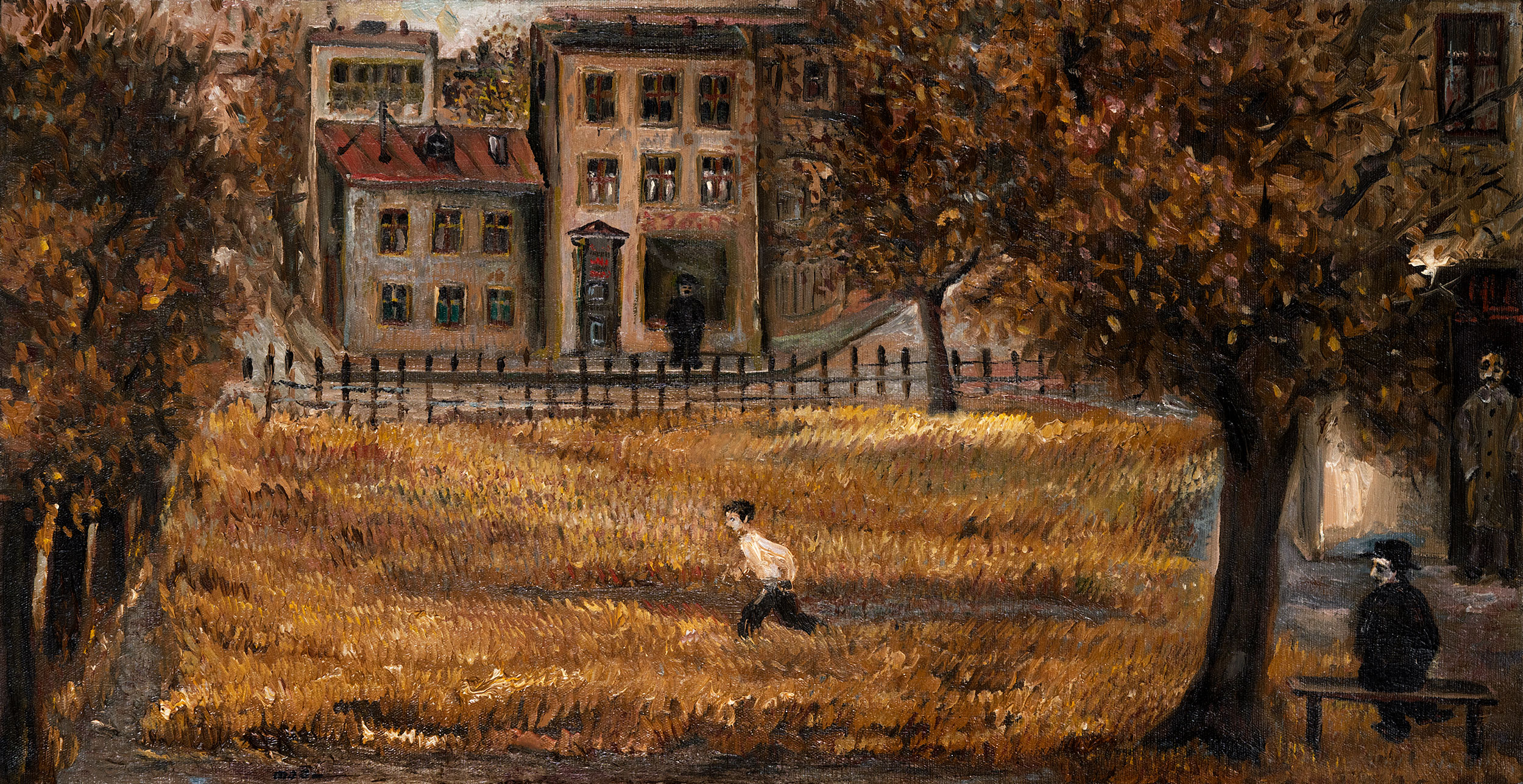
The urban landscapes of Temo Japaridze are characterized by the expressiveness of theme interpretation. The colours of Old Tbilisi sites and its unique coloration are reproduced in the compositions full of deep lyricism and sadness. His pictures dedicated to Tbilisi are always distinguished by wonderful comfort and unique charm of this or that corner of the old town which seems an ordinary town from the first view. The minimalism of expressive language of Temo Japaridze is based on the generalization of theme and artistic image, the strong specific form and the restrained colours. The coloration created with small blush-silver and tiny golden spots enriched with colorful nuances, creates the twinkling, almost vibrating surface of the picture.
Temo Japaridze has never been satisfied with his achievements. His artistic and textural experiments are audacious and unexpected while the result always carries strong emotional drive. Experiments with materials, coexistence of deformation, stylization, grotesque and humour in the pictorial and formal structure of compositions are as well as the stylistic and expressive diversity of artistic images give the dynamics and sustainability of Japaridze’s works of the 1990s. The uniqueness of his pictorial language is determined by laconism and exactness. By laconic pictorial; tools he performs the artistic realization of his own ideas through such solutions which are surprising and interesting for viewers.
In the portraits performed in the 1990s the artist uses a new material- he crumbled canvas as the ground for painting. It enables the artist to reproduce new intonations of his vision. The crumbled canvas creates a confrontational background. Pleats and chaps of the canvas symbolically reflect the devaluated and hardened world while the human face looking out of this soiled environment is its pure soul. The artist uses textural peculiarities of the fabric and the exact pictorial and conceptual features of an object. The white primed canvas crudely attached to the dark brown frame is pleated and split so that the brown chaps appear under the chalky prime. The maximum restrained set of compositional elements and the colouration based on the pure white colour of the canvas background and greyish-brown colour of figural images provide adequate artistic realization of the painter’s concept. It offers the convincing, original artistic version of the author’s aim. The series of still lives and landscapes is performed in the same style. Compositions of the series “Standing the Fallen” painted in the late 1990s are the metaphoric images of the being where some people are always standing and others falling. To realize this theme the artist deliberately applies to the artistic, pictorial and compositional structures typical of primitive art.
The conventional and two-dimensional solution of compositions, deformation of forms, use of fantastic shapes and inscriptions give a certain naivety to those works revealing at the same time a peculiar ironical attitude of the author. One more interesting experiment of the artist is attributed to the same period. Back in the beginning of his creative activity Temo Japaridze made a small sculpture inspired by Alberto Giacometti. In the 1990s Japaridze attached the figures performed in the same manner to the plane and created a new variant of relief picture. The dark and light abstract figures with oblong limbs of the pleated canvas wrapped round the artist offers new options of reproductions of people, their feelings and emotions. In the series “New Odyssey” “the main concept of the artist is created by a figure of a man in action standing on a wheel. Today Odysseus means a contemporary seeking person. That figure standing on the wheel drives here and there in the logical and illogical spaces. He seeks the invisible space beyond the form as well as the depths of various expressions of the being. Unlike Odysseus he tries to enter the inner human world. The sought concept is a simple pictorial feature. It is small and perceived with humour”. The interpretation of theme is illogical and even tragic to some extent like the reality itself which unfortunately also illogical. This pictorial thought of Temo Japaridze actively involves the viewer in the process of perception of the picture and the interpretation of the theme and thus making him the confederate of his own ideas.
Temo Japaridze is one of the first and prominent and original artists representing Georgian nonconformist art. Any of his works is an answer of the most complicated questions of man’s being in the universe. The philosophical speculation about being and the destiny of a man is the main text of his works. The conceptual basis of Japaridze’s works is always acute and actual while their artistic solution is immensely interesting and original. His “picture is silent and innocuous. It is hung on the wall inconspicuously waiting for those people who are able to emphasize with the wordless emotions, those who avoid public hubbub and are seeking for the smile of inner essence of the world which means a simple but unselfish love”.
Nana Shervashidze
Art Historian, PhD
თემო ჯაფარიძე სოცრეალიზმი და ნონკონფორმიზმი
ტოტალიტარული რეჟიმის ქვეყნებში კულტურის ქმნილების ერთადერთობა და შემოქმედის
ინდივიდუალიზმი კოლექტიურ, საერთო-სახალხო კულტურის იდეად გარდაიქმნება. საბჭოთა
სივრცე კულტურის მოღვაწეთათვის „სოციალური დაკვეთის“ კლასიკურ ქვეყნად იქცა. ეს,
რა თქმნა უნდა, ინდივიდუალიზმის დასასრულია.
ნიკოლოზ ბერდიაევი „ადამიანის ბედი თანამედროვე სამყაროში. ჩვენი ეპოქის გაგებისათვის“
1920-იანი წლებიდან საბჭოეთის უკიდეგანო იმპერია მასში გაერთიანებულ საქართველოსთან ერთად ახალმა სოციალისტურმა იდეოლოგიამ მოიცვა და საზოგადოების არსებობის ერთადერთ დასაშვებ წესად იქცა. საბჭოთა კულტურაში დამკვიდრდა სოციალისტური რეალიზმის „მხატვრული სტილი“. ამ იდეოლოგიზებულ სივრცეში ჭეშმარიტ შემოქმედებით პროცესს – სამყაროს, სინამდვილის ინდივიდუალურ შემეცნებასა და რეალიზებას ჩაენაცვლა „კოლექტიური აქცია“, რომელშიც ადამიანისა თუ სიტუაციის გამოსახვა წინასწარგანზრახული და სანქცირებულია. მხატვრული ნაწარმოები თავადაა მაგალითი რეალობისთვის. ხელოვნების ძირითადი ფუნქცია განსაზღვრულია არა როგორც ინდივიდუალური შემოქმედებითი პროცესი, არამედ როგორც კოლექტიური აზროვნების გამიზნული შედეგი. უზარმაზარი კოლექტივების ცხოვრებაში ჩათრეულ ადამიანს თავს ეხვევა მხოლოდ ის იდეები, რომელიც დასაშვებს ხდის მარტივსა და ელემენტარულ სიმბოლიკას. ქრება პიროვნული ცნობიერება და მას კოლექტიური ცნობიერება ცვლის.
სოციალისტური რეალიზმის იდეოლოგიური და კულტურული წნეხი თანაბრად ეხებოდა საბჭოთა კავშირის შემადგენლობაში შემავალ რესპუბლიკებს. რაც უფრო ღრმა ისტორიულ-კულტურული მეხსიერება ჰქონდა ქვეყანას, მით უფრო რთული იყო მისი „მოთვინიერება“. მეორე მსოფლიო ომის შემდეგ საბჭოთა სივრცეში სიტუაცია რამდენადმე შეიცვალა. პოსტსტალინური ეპოქის გარკვეულმა ლიბერალიზაციამ შექმნა ნიადაგი იდეოლოგიური წნეხისგან თავის დასახსნელად. 1950-იანი წლების დასაწყისში ხელოვნება იყო ერთ-ერთი პირველი იმ საშუალებათა შორის, რითაც პროტესტი გამოიხატა საბჭოთა სისტემის მმართველობის წინააღმდეგ. 1950-იანი წლების ბოლოსთვის ქართულ კულტურაში განვითარების ხარისხობრივად ახალი ეტაპი დაიწყო. ამ მოძრაობის განსაზღვრელ ძალად ახალი თაობა იქცა, რომელიც უკვე აქტიურად მოღვაწეობდა სახვით ხელოვნებაში, კინოში, ლიტერატურაში. ახალგაზრდა შემოქმედთა ეს თაობა შეეცადა გაერღვია იდეოლოგიზებული კულტურის ჩარჩოები და რუსულ „არაოფიციალურ ხელოვნებასთან“ ერთად უზარმაზარი წვლილი შეიტანა სოცრეალიზმის „მხატვრული სტილის“ სტერეოტიპული მანქანის დესტრუქციაში.
1950-იანი წლების ბოლოსთვის საბჭოთა ხელოვნება უკვე აშკარად გაიყო ორ დაპირისპირებულ ნაწილად. ეს იყო ოფიციალური, ცენზურის მიერ დაშვებული, სოციალისტური იდეოლოგიის მატარებელი ან ნეიტრალური, სალონური ხელოვნება და „არაოფიციალური“ ხელოვნება – ნონკონფორმიზმი. „არაოფიციალური“ ხელოვნება, რომელიც 1950-იანი წლების ბოლომდე მაინც გარკვეულ ჩარჩოში იყო მოქცეული, უკვე 1960-იანი წლების შუა ხანებში აშკარად გადაიზარდა კონცეპტუალური თუ ფორმალური თვალსაზრისით სოცრეალიზმის საშინააღმდეგო მხატვრულ მიმართულებაში.
ХХ ს-ის 60-იან წლებში ხელოვნება, რომელიც მთელ საბჭოეთში ამოვარდნილი იყო ზოგადკულტურული კონტექსტიდან. კვლავ დაუბრუნდა ლოგიკური განვითარების გზას. ერთმანეთს შეერწყა საერთოკულტურული ნოვატორული ძიებები და რეგიონალური კულტურის თავისებურებანი, რამაც შედეგად ხელოვნების სრულიად ახლებური გაგება და იდეის მხატვრული ინტერპრეტაცია მოიტანა. ნიშანდობლივია, რომ ეს მოვლენა ქართულ ხელოვნებაში პირველად პროფესიული მხატვრული სივრცის მიღმა ავთო ვარაზისა და თემო ჯაფარიძის შემოქმედებაში გამოვლინდა. ნონკონფორმიზმის ხელოვნება ორიენტირებული იყო ევროპული მოდერნიზმის მხატვრულ გამოცდილებაზე სეზანიდან სიურეალიზმამდე. მეამბოხე შემოქმედნი ცდილობდნენ საბჭოთა საზოგადოების ცხოვრების წესის საპირისპიროდ საკუთარი, ავტონომიური მხატვრული და საარსებო სამყაროს შექმნას. ისინი არა მარტო შემოქმედებით, არამედ ცხოვრების სტილითაც ამკვიდრებდნენ საბჭოთა საზოგადოებისგან განსხვავებულობას. ცხოვრობდნენ განდეგილად, არ ერეოდნენ საზოგადოებრივ ცხოვრებაში და იშვიათად გამოდიოდნენ საკუთარი „წრიდან“, თანმიმდევრულად უარყოფდნენ როგორც ოფიციალურ ცენზურას, ასევე ხელოვნების უტილიტარიზაციას. ეს იყო საბჭოთა საზოგადოებაში „უცხოთა“ ერთგვარი „კასტა“, რომელიც ნებისმიერ შემთხვევაში, აგრესიას იწვევდა თუ აღფრთოვანებას, იყო უსაზღვროდ საინტერესო. ამიტომაც მოსკოვში, ლენინგრადსა თუ თბილისში ნონკონფორმისტული ხელოვნების ვერნისაჟების ნახვის მსურველთა უსასრულო რიგები იდგა. მათი უმეტესობა სახელმწიფო უშიშროების კომიტეტის – სუკის მიერ გახსნამდე ან გახსნიდან 3 – 4 დღის შემდეგ იხურებოდა. ასე იყო ცნობილ „ბულდოზერის გამოფენაზე“ 1974 წელს, მოსკოვში. ასე მოხდა თემო ჯაფარიძის სურათების გამოფენის დროსაც, უფრო ადრე, 1968 წელს, თბილისში.
თემო ჯაფარიძე ცხოვრება და შემოქმედება
ახალ მცნებას გაძლევთ თქვენ; რათა გიყვარდეს ერთმანეთი,
როგორც მე შეგიყვარეთ თქვენ, თქვენც ისე გიყვარდეთ ერთმანეთი.
იოანეს სახარება. 13:34
თემო ჯაფარიძე დაიბადა თბილისში 1937 წლის 27 მარტს და მთელი ცხოვრება ამ ქალაქში გაატარა. მისი შემოქმედების ერთ-ერთი მახასიათებელი სწორედ თბილისის ატმოსფეროსა და კოლორიტის ღრმა და სევდიანი განცდაა, რაღაც წარმავლის, უკვე არარსებულისა და თანაც ასეთი ძვირფასის ნოსტალგიური განცდა.
თემო ჯაფარიძემ სწავლა ვაჟთა მე-12 სკოლაში დაიწყო, შემდეგ ვერაზე, ხოშტარიას ქუჩაზე გადასახლდნენ და სწავლა მე-7 ვაჟთა (ახლანდელი 53-ე სკოლა) სკოლაში განაგრძო. ხატვა დედის, ვალენტინა ტუღუშის დაჟინებით დაიწყო. პირველი ნახატი ბიბლიოთეკიდან გამოტანილი წიგნის, ჟიულ ვერნის „კაპიტან გრანტის შვილების“ ყდა იყო. ბავშვობაში ცელქსა და მოუსვენარს მეგობრებთან თამაშისას წიგნის ყდა შემოეხა. ბიბლიოთეკის თანამშრომლების საყვედურითა და დედის რჩევით წაქეზებულმა თავად დახატა გემი ყდაზე და პირველი შექებაც დაიმსახურა. ამის შემდეგ დიდხანს არ მიჰკარებია ფანქარსა და ფუნჯს. მწერლობამ გაიტაცა. ჯერ კიდევ ყმაწვილმა გაიცნო პოეტი ანზორ სალუქვაძე, რომელიც მის მეზობლად ცხოვრობდა. სწორედ მან წაიყვანა პირველად ვერის ბაღში, რომელიც იმ დროს სხვაგვარად მოაზროვნეთა თავშესაყარი იყო. აქ იკრიბებოდნენ მხატვრის მომავალი მეგობრები, მასზე უფროსები, უფრო გამოცდილები და ანტისაბჭოთა იდეებით გამსჭვალულნი: შოთა ჩანტლაძე, ერლომ ახვლედიანი, ედიშერ გიორგაძე, ბესიკ ადეიშვილი, ირაკლი რამიშვილი, ლევან მალაზონია, გურამ რჩეულიშვილი, ზურაბ კიკნაძე… „ვერის ბაღი ფაქტობრივად ანტისაბჭოთა კლუბი იყო. ეს ხრუშჩოვის დროს, ე. წ. დათბობის პერიოდში ხდებოდა, თორემ მანამდე ქუჩაში ორი კაცი სალაპარაკოდ რომ დადგებოდა, მილიციელი მივიდოდა და დაიშალეთო – ეტყოდა“ – იგონებს მხატვარი. თემო ჯაფარიძის მსოფლმხედველობის ჩამოყალიბებისა და მისი ლიტერატურული თუ მხატვრული შემოქმედების ფორმირებისთვის ეს პერიოდი განსაკუთრებით მნიშვნელოვანია. იგი სიყმაწვილიდანვე გრძნობდა სიცრუეს, რომელშიც მთელი ქვეყანა ცხოვრობდა: სიყალბე და შიში, დამკვიდრებული საზოგადოებრივი ცხოვრების ყველა სფეროში, მასში გაუცნობიერებელ პროტესტს ბადებდა. იცოდა, „საბჭოთა კავშირი არ უნდა ყოფილიყო“. ახალგაზრდა ინტელექტუალებთან ურთიერთობა, მათთან ერთად დისკუსიებში მონაწილეობა კი უჩვენებდა გზას ამ სიცრუისგან თავდასახსნელად. თემო ჯაფარიძისთვის ამ გზად საკუთარი შემოქმედება იქცა.
პირველი ლექსები ანზორ სალუქვაძესა და შოთა ჩანტლაძეს წააკითხა. „კარგი რამ მითხრა – იგონებს ამ უკანასკნელს მხატვარი – გრძნობა არის, მაგრამ ფორმა არ არისო… აი, ასე დაიწყო ჩემი ფორმასთან ჭიდაობა“. განსაკუთრებული მნიშვნელობა თემო ჯაფარძისთვის გურამ რჩეულიშვილის აზრს ჰქონდა. ლექსებს ხშირად უკითხავდა. მასაც მოსწონდა და აქეზებდა. გურამ რჩეულიშვილის საოჯახო ალბომში მეგობრების ფოტოებს შორის თემო ჯაფარიძის ფოტოც ინახება, რომელიც მწერლის მრავალტომეულში გურამის დის, მარინე რჩეულიშვილის მინაწერითაა დაბეჭდილი: „მხატვარი თემო ჯაფარიძე თავის სახელოსნოში. გურამზე უმცროსი. გურამს იგი განსაკუთრებით უყვარდა და აფასებდა მის ნიჭს, შემართებას, უნარს.“ თაობის ლეგენდასთან თემო ჯაფარიძეს სულიერი სიახლოვე აკავშირებდა. აკი ამიტომაც ასე მძიმედ განიცადა მეგობრის მოულოდნელი ტრაგიკული სიკვდილი. კარჩაკეტილი ცხოვრება დაიწყო. გურამ რჩეულიშვილის სიკვდილთან ერთად ამ თაობისთვის დამთავრდა რაღაც ძალიან მნიშვნელოვანი და ღირებული. „დამალული თაობის ცხოვრებით ვცხოვრობდი, რასაც ჩემს ლექსებსა და მოთხრობებში ავსახავდი.“ – წერს მოგვიანებით თემო ჯაფარიძე. ეს განწყობა აშკარად ჩანდა მის ნაწერებში, რაც ცენზურის თვალსაც არ გამოეპარა. ჟურნალ „ცისკრის“ რედაქციაში ლექსები მოუწონეს, მაგრამ არ დაუბეჭდეს – პირქუში განწყობილებითაა დაწერილი და საბჭოთა ოპტიმიზმს არ შეეფერებაო. ბედნიერი ქვეყნისა და საზოგადოების მშენებლობა ხომ საბჭოთა იდეოლოგიის მთავარი მითი იყო. 1960-იანი წლების დასაწყიში ამავე რედაქციაში მოთხრობა „პატრიოტი“ მიიტანა და ოტია პაჭკორიას აღფრთოვანება გამოიწვია. მოთხრობა ჩაუშვეს დასაბეჭდად, მაგრამ მალე ბეჭდვა შეაჩერეს. ჟურნალი ხელახლა დაბეჭდეს, ოღონდ ამჯერად „პატრიოტის“ გარეშე. 1961 წელს მაგული ხურციაზე დაქორწინდა. ქალიშვილი ლელა შეეძინათ. სწორედ ამ პერიოდში თემო ჯაფარიძის ცხოვრებაში მნიშვნელოვანი ფაქტი მოხდა, რამაც გარკვეულწილად განსაზღვრა კიდეც მისი ცხოვრების გზა. კინოთეატრ „სპარტაკში“ კინოს ფესტივალი ჩატარდა. ფილმი მოდილიანის შესახებ თემო ჯაფარიძისთვის ძლიერი იმპულსი აღმოჩნდა ფერწერით გატაცებისთვის: „იმ უსამართლო გარემოში განმაცვიფრა მოდილიანის გამბედაობამ. შეუსრულებელი სიყვარულის გამოხატვამ; ეს რაღაც ისეთია, რომელიც სათითაოდ ყველას გვინდა, მაგრამ ცხოვრებაში თითქოს არ გამოდის; განსხვავებული ფორმით გადმოცემულმა ქალურობამ და კაცებში დიდმა სულიერებამ ჩემზე ძალიან იმოქმედა. მოდილიანისადმი სიყვარულიც დამეხმარა იმაში, რომ გამებედა და ხატვა დამეწყო“. თუმცა, ფერწერისადმი შინაგან მიდრეკილებას ყოველთვის გრძნობდა. 1960-იან წლებში, მართალია, იდეოლოგიური პრესი და ტერორი შესუსტებული იყო, „არაოფიციალური“ ხელოვნება ძალებს იკრებდა, მაგრამ „რკინის ფარდა“ ჯერ კიდევ მჭიდროდ იყო დახურული, ინფორმაცია დასავლური ხელოვნების შესახებ კი – ძალზე მწირი. ნებისმიერი შეხება დასავლურ კულტურასთან მასთან ზიარების იშვიათ შესაძლებლობას იძლეოდა. თემო ჯაფარიძემ თბილისის სახელმწიფო უნივერსიტეტში ინგლისური ენისა და ლიტერატურის ფაკულტეტი დაამთავრა. სპეციალური სამხატვრო განათლება არ მიუღია. თანამედროვე მხატვრულ მიმდინარეობებს ძირითადად მეგობრების მიერ შეძენილი მხატვრული ალბომების მეშვეობით ეცნობოდა. სახვითი ხელოვნება მას საზოგადოებასთან კომუნიკაციის, მისთვის საკუთარი აზრის, ნაფიქრალის გაზიარების საშუალებას აძლევდა. პირველი წარმატება და პირველი დაპირისპირება ოფიციოზთან 1964 წელს უნივერსიტეტის სააქტო დარბაზში მოწყობილმა გამოფენამ მოუტანა, სადაც სწორედ მოდილიანის გავლენით შესრულებული ფერწერული პორტრეტები იყო გამოფენილი. მნახველთა აღფრთოვენება და კრიტიკა ერთმანეთს ცვლიდა. არადა, ამ დროს განსაკუთრებული არაფერი გაუკეთებია. უბრალოდ, მისი ადამიანები მოკლებული იყვნენ საბჭოურ პათეტიკას. თემო ჯაფარიძის მიერ შექმნილი მხატვრული სახეები ლირიზმითა და ემოციურობით გამოირჩეოდა. ოფიციალურმა კრიტიკამ გამოფენას ანაქრონიზმი უწოდა. შეფასება პარადოქსული, მაგრამ დროის ადეკვატური იყო: „დააკვირდით თემოს ნახატებს, მის ადამიანებს – ასეთი გამხდარი, უსუსური ადამიანები სოციალიზმს და კომუნიზმს ააშენებენ?!“ მაგრამ იყო რადიკალურად განსხვავებული შეფასებანიც მათგან, რომელთა აზრსაც თემოსთვის დიდი მნიშვნელობა ჰქონდა. გამოფენის შემდეგ მოწყობილი განხილვისას ახალგაზრდა მხატვარი ხელოვნების მუზეუმის დირექტორმა შალვა ამირანაშვილმა დაიცვა: „რა ანაქრონიზმზე და ბურჟუაზიულ სამყაროზე ლაპარაკი?! ესაა ქართულ ნიადაგზე წარმოშობილი ნიჭიერი მხატვრობა“. ლადო გუდიაშვილი მოგვიანებით წერდა: „უნივერსიტეტის სააქტო დარბაზში ვინახულე ახალგაზრდა მხატვრის თეიმურაზ ჯაფარიძის სურათების გამოფენა. მეტად გამაკვირვა და გამაოცა მისმა ტალანტმა. ერთი თვალის მოვლებით დავნებდი კედელზე ექსპონირებულ ხელოვნებას. წარმოდგენილ ბრწყინვალე ნამუშევრებს და არც გამკვირვებია, რადგან ჩვენი სამშობლო მდიდარია ნიჭიერი ახალგაზრდობით. თემო ჯაფარიძის უდავოდ მტკიცედ აქვს ნაპოვნი თავისი სახე ფერწერაში. ფერის გამოყენებას, კომპოზიციის აგებასა და თემის გაშლას იგი ახერხებს მუდამ მისთვის ჩვეული ოსტატობით. თანამედროვეობას ხელოვნებაში გადმოგვცემს დამაჯერებლად. მხატვრული გამომგონებლური ნიჭით, იცავს საჭირო სიზუსტესა და შესატყვისობას მოვლენებისა და სახეების გახსნაში“.
1960-იანი წლების მეორე ნახევარში თემო ჯაფარიძე აბსტრაქტული ხელოვნებით დაინტერესდა. საკუთარი მხატვრული ენის ძიებისას მხატვარი თანამედროვე დასავლური ხელოვნების მიმდინარეობების მხატვრულ-სახეობრივ სტრუქტურებს შეისწავლის. მის შემოქმედებაში აბსტრაქტული და სიურრეალისტური ხელოვნების ტენდენციების გააზრებასა და მათთვის ახალი ჟღერადობის მინიჭების საინტერესო ვარიაციებს ვხედავთ. მხატვარს თავის ფერწერაში ახალი სახვითი ფორმები და ელემენტები შეაქვს. ცდილობს გამოხატოს „არსის რეალური შეგრძნება განზოგადებული ფორმებითა და ფერთა ლაქებით“. 1968 წელს თემო ჯაფარიძემ მეგობრების დახმარებით თავისი ნამუშევრები საზღვარგარეთის ქვეყნებთან კულტურული ურთიერთობის კომიტეტის შენობაში გამოფენა. საბჭოთა სივრცეში აბსტრაქტული ხელოვნების ერთ-ერთი პირველი გამოფენა ბუნებრივად იწვევდა სუკის განსაკუთრებულ ინტერესს. ხელოვნებაში „ფორმალისტური“ ძიებები ამ დროს უკვე თავგანწირვა თუ არა, სისტემის წინააღმდეგ პოზიციის დაფიქსირება, ახალი სახვითი ენის ძიების უკომპრომისო გზა იყო. გამოფენა 3 დღეში დაიხურა. მაგრამ ქართულ სახელოვნებო სივრცეში ეს თემო ჯაფარიძის, როგორც ნიჭიერი, თვითმყოფადი შემოქმედის პირველი გამოჩენა იყო. „გამოფენის გახსნა, უშიშროების კომიტეტმა, იგივე სუკმა კატეგორიულად აკრძალა, მაგრამ მანამდე ხალხმა ნამუშევრების დათვალიერება მაინც მოასწრო – ჩარაზული კარი ხალხის ტალღამ რამდენჯერმე შეამტვრია“. – იგონებს მხატვარი.
თემო ჯაფარიძე მაძიებელი მხატვარია. მისი ხელოვნება ექსპერიმენტულია. ნაფიქრ-ნააზრევის სრულყოფილად გამოსახატავად იგი მუდამ ახალ გზას, ახალ ფორმებსა და მასალას ეძებს, რომლებიც მას თემის გააზრებისა და ფერწერული თუ საგნობრივი ფაქტურით „მანიპულირების“, „თამაშის“ საშუალებას აძლევს. 1972 წელს მხატვარმა შექმნა მოცულობით – ფაქტურული ფერწერის ნიმუში „საიდულო სერობა“. ამ სურათის ბედი მართლაც რომ ტრაგიკულია. მხატვარი იგონებს: „ჩემმა მეგობარმა, მწერალმა თამაზ ჩხენკელმა მათხოვა თავისი ჯერ კიდევ დაუმთავრებელი ბინა ხილიანის ქუჩაზე, მეხუთე სართულზე. აი იქ ვაკეთებდი „საიდუმლო სერობას“. უკვე „საეჭვო“ ადამიანად ვიყავი მიჩნეული და „კა-გე-ბე“-ც ხშირად ტრიალებდა ჩემს სიახლოვეს“. საიდუმლო სერობის თემა იტევს ადამიანთა განცდებისა და გრძნობების უღრმეს შრეებს. XX საუკუნეში ტექნოლოგიურმა პროგრესმა მოიტანა საუკუნეების მანძილზე ფორმირებულ ღირებულებეთა გაუფასურება. ადამიანის, როგორც ინდივიდის მნიშვნელოვნების ნიველირება. შედეგი საზოგადოებაში გამეფებული ნიჰილიზმია. თემო ჯაფარიძისთვის კი ადამიანი სამყაროს ცენტრია. მასში იგი, უპირველეს ყოვლისა, შინაგან სილამაზესა და ღირებულებას, სულიერ სიწმინდეს ეძიებს. ამიტომ იყო ეს თემა მისთვის ასეთი მნიშვნელოვანი „საიდუმლო სერობაში“. მისი მხატვრული განსახიერება კი – ამგვარად შთამბეჭდავი. ნამუშევარი დასრულების შემდეგ მხატვრის მეგობრის, მალხაზ გორგაძის ავტოფარეხში ინახებოდა და მის სანახავად ბევრი დაინტერესებული პირი, მათ შორის, უცხოელი მოდიოდა. დასავლეთ გერმანიის ერთ-ერთ გაზეთში სტატიაც დაიბეჭდა სათაურით – „ქრისტე ავტოფარეხში.“ ოტია პაჭკორია, ქართველი მწერალი და კრიტიკოსი, წერდა: „…მნახველში სურათი, დამოუკიდებლად მოწონებისა ან დაწუნებისა, გულწრფელი პატივისცემისა და მოწიწების გრძნობას ბადებდა.“ სამწუხაროდ, „საიდუმლო სერობა“ 1991-1992 წლებში, სამოქალაქო ომის დროს, „მხატვრის სახლთან“ ერთად დაიწვა. მანამდე კი, 1988 წელს, „მხატვრის სახლის“ დირექტორ თემო გოცაძის ინიციატივით ეს ნამუშევარი თემო ჯაფარიძის პერსონალურ გამოფენაზე იყო ექსპონირებული, რომელმაც დიდი წარმატებით ჩაიარა. საზოგადოების წინაშე წარმოდგენილი იყო მხატვრის მრავალწლიანი შემოქმედებითი ძიებებით აღსავსე ხელოვნება: აბსტრაქტული კომპოზიციები, რელიეფური ფერწერა, „მუქი ფერწერა“, პეიზაჟები, ნატურმორტები, ფერწერული და გრაფიკული პორტრეტები. სახვით ენაზე ამეტყველებული მხატვრული კონცეფცია სამყაროს არსისა და ადამიანთა ურთიერთობის მარადიული პრობლემების შესახებ ქართულ ხელოვნებაში თანამედროვე და ორიგინალური ხელწერის მქონე მოაზროვნე შემოქმედის სერიოზული განაცხადი იყო. მის ნამუშევრებში ვერ ვნახავთ გარეგნულ დინამიკას, მოძრაობის ექსპრესიულობას, მაგრამ ამ „სიჩუმის“ მიღმა იგრძნობა სახეობრივი თუ ფორმალური საშუალებების ავტორისეული მხატვრული წესრიგი, რომელშიც ცხადდება მხატვრულ სახეთა შინაგანი ენერგია და ექსპრესია. ეს სახელმწიფო საგამოფენო სივრცეში მხატვრის პირველი ვერნისაჟი იყო, რომელმაც მას ოფიციალური აღიარება მოუტანა. თემო ჯაფარიძემ ახალ ქართულ ხელოვნებაში ადგილი დაიმკვიდრა, როგორც ქართული ნონკომფორმისტული ხელოვნების აღიარებულმა ოსტატმა, თვითმყოფადმა, ნიჭიერმა შემოქმედმა. მომდევნო წლებში თემო ჯაფარიძე საკმაოდ აქტიურად მონაწილეობდა საქართველოსა და მის საზღვრებს გარეთ გამართულ გამოფენებში.
თემო ჯაფარიძე მრავალმხივი შემოქმედია. მისი ინტერესთა სფერო სახვით ხელოვნებასთან ერთად ლიტერატურასაც მოიცავს. უკანასკნელ ათწლეულებში ხშირად იბეჭდება მისი მოთხრობებისა და ლექსების კრებულები, ესეები და ყველგან თემო ჯაფარიძისთვის – შემოქმედისა და პიროვნებისთვის უმთავრესი ხელოვნებაში არის რწმენა ადამიანის მიმართ, რწმენა სიკეთისა და მაღალზნეობრიობისა.
ხელოვნება თემო ჯაფარიძისთვის არის ერთგვარი გზავნილი საზოგადოებას, მისი „ჩემი ნახატის“ ჰუმანისტური კონცეპცია კი – პიროვნული საწყისის მხატვრულად განსახიერებული შემოქმედებითი სამყარო: „თუკი, თუნდაც ერთი ადამიანის წინაშე გავიხსენი ჩემი მხატვრობით ისე, რომ თვალთმაქცობას არ დაინახავს ჩემში, ნდობით აღივსება და დამითმობს ყურადღებას, ჩავთვლი, რომ ჩემი პიროვნების შემოქმედებითი განხორციელება შედგა. ვოცნებობ, ერთ ადამიანს მაინც მივცე ჩემს მხატვრობაში ყოველგვარი მზაკვრობისგან განწმენდილი თავშესაფარი, სითბო და სიყვარული“. – წერს თემო ჯაფარიძე.
სწორედ იმიტომ, რომ ასე ხშირად მინახავს, როგორ თელავენ
სუსტებს, ძალიან ეჭვი მეპარება ბევრი რამის ჭეშმარიტებაში,
რასაც პროგრესსა და ცივილიზაციას უწოდებენ. მე ჩვენ დროშიც
კი მჯერა ცივილიზაციის, მაგრამ ისეთის, რომელიც ჭეშმარიტ
კაცთმოყვარეობაზეა დამყარებული.
ვინსენტ ვან გოგი. წერილი ძმას, თეოდორს.
ჰააგა. 11 მაისი. 1882
თემო ჯაფარიძის მხატვრული ხედვა ყოფიერების ფილოსოფიურ გააზრებასა და ადამიანის პიროვნული მნიშვნელოვნების წარმოჩენას ემყარება. მისი ხელოვნების კრედო საკუთარი სულიერი განცდების მხატვრულ ფორმებად გადაქცევაა. „მხატვრული აქტი სამყაროს არსისა და მასთან ადამიანის (შემოქმედის) არამატერიალური შერწყმის, სიყვარულის ცხადყოფის აქტია“. ავტორიტარული რეჟიმისთვის ტიპური, კლიშედ ქცეული ხელოვნების საპირისპიროდ მხატვარი ახდენს პიროვნული განცდის ადეკვატურ მხატვრულ განხორციელებას და შემოქმედების განვითარების სხვადასხვა ეტაპზე სრულიად განსხვავებულ ფორმალურსა თუ სახეობრივ რეალიზებას გვთავაზობს. უცვლელი რჩება მხოლოდ სამყაროსადმი მხატვრის დამოკიდებულება, რომელიც ყოველთვის უაღრესად ინდივიდუალური და ღრმად კონცეპტუალურია.
თემო ჯაფარიძის შემოქმედება მხატვრულ ინტერესთა მრავალფეროვნებითა და ნოვაციისადმი სწრაფვით ხასიათდება. მხატვრის პრობლემატიკა ხშირად კონცეპტუალური თვალსაზრისით იდენტურია, მაგრამ სტილური თუ ფორმალურ-სახეობრივი გადაწყვეტის მოულოდნელობითა და გაბედულებით თანამედროვე ქართულ ხელოვნებაში, უდავოდ, გამორჩეულია. მისი სახვითი ენა წლების განმავლობაში ვითარდება და ახალ ჟღერადობას იძენს. ფერწერის პლასტიკური პრინციპები თანდათან ყალიბდება, მოცულობით-რელიეფურიდან ხაზობრივ-სიბრტყობრივისკენ ისწრაფვის.
შემოქმედების დასაწყისში თემო ჯაფარიძე გატაცებული იყო აბსტრაქტული ფერწერით, სიურრეალიზმითა და კოლაჟით. აბსტრაქტულ ფერწერაში იგი ცდილობს ფერთა და ფორმათა კომბინაციების გარკვეული ინდივიდუალობის მქონე სისტემის შექმნას – ხან გეომეტრიული აბსტრაქციის მხატვრულ ტენდენციებს ეყრდნობა და რიტმულად ორგანიზებულ მკაფიო სტრუქტურას აგებს, ხან ფერადოვანი გადაწყვეტის თავისებურებით ფორმის შლადობის შთაბეჭდილებას ბადებს. ზოგ შემთხვევაში კომპოზიციათა გამომსახველობა ფერის ლაქისა და მონასმის პლასტიკურობის, ფაქტურულობის ხარჯზე მიიღწევა, რაც ხანდახან პუანტილის გამოყენებასაც გულისხმობს. განსაკუთრებით შთამბეჭდავია კომპოზიციათა ჯგუფი, რომლებშიც ავტორი თითქოს მუსიკალური ნოტებისა თუ ინსტრუმენთთა სიმებისა და კლავიშების დინამიკურად მოძრავი ნახატით ქმნის პლასტიკურ წესრიგს. ამ ნამუშევრებში. მხატვრის ამოცანა „პლასტიკური ფორმებით მუზიცირებაა“. სახვითი ელემენტების გააზრებული კომპონირება, თავშეკავებული ფერადოვნება, ფორმისა და ფერის მართლაცდა მუსიკალური რიტმიკა ერთიანობაში ქმნის უაღრესად საინტერესო და ორიგინალურ მხატვრულ სტრუქტურას. გეომეტრიული ფორმებით ორგანიზებული სიბრტყე თავისთავად გულისხმობს მხატვრის მიერ წინასწარ განსაზღვრულ კომპოზიციურ სტრუქტურას და, ამავე დროს, იმპროვიზირების დიდ წილს შეიცავს. აბსტრაქტული ხელოვნება მხატვრისთვის მასალისა და ფორმის დაუფლების საშუალებაა. ამასთანავე, ჯაფარიძე აბსტრაქტული ხელოვნების საკუთარ სისტემას ქმნის. სიურრეალისტური „შეუცნობლის შეცნობის მეთოდი“ თემო ჯაფარიძის ამ პერიოდის ნამუშევართა ჯგუფში ვლინდება. „აბსტრაქტული ფორმებიც კი ცნობადია. გაურკვეველი ფორმებით იქმნება მხატვრული გარემო, რომელშიც მხატვარი გადმოსცემს თავის სუბიექტურ, ინსტიქტურ განცდებს… ცნობადია სიურრეალისტების უცნაურობებიც. უბრალოდ მათ სურთ, რომ მათი ფორმების ცნობადობა იწვევდეს უცნაურის, გაუცნობიერებლის, სიზმრისეულის, არამყარის, ბუნდოვანის, ველურისა და შეუთვისებლურ, არალოგიკურის განცდას“. ადამიანთა და მათი განცდების მხატვრისეული ფანტაზიები ამ კომპოზიციებში შთამბეჭდავ მხატვრულ სახეებად გარდაიქმნება. „მეტაფიზიკური“ ფიგურების სახის ნაკვთები ხშირად მხოლოდ თვალის შავი ხვრელით განისაზღვრება. ფორმათა სქემატიზმამდე მისული გამარტივება – დეფორმაციით გადმოცემული ფიგურები ქმნის „უცხოთა“ იდუმალ სამყაროს, რომელსაც მუდამ ახლავს განგაშის შეგრძნება. მხატვარი ამ ნამუშევრებში არასდროს აკონკრეტებს გარემოს. ფიგურათა ფონი ნეიტრალური. ფართო მონასმებიანი აბსტრაქტული კომპოზიციის სახით წარმოგვიდგება, რაც კიდევ უფრო ამძაფრებს სურათთა ექსპრესიულ გამომსახველობას. 1960-იანი წლების დასასრულს ეს კომპოზიციები მხატვრის შემოქმედებაში უკვე დამოუკიდებელი ფერწერული სურათების სახითაც გვხვდება. მოგვიანებით ფერწერული ნამუშევრების უმნიშვნელოვანესი ციკლი „მუქი ფერწერა“ სწორედ ამ კომპოზიციებში გამოყენებული მუქი კოლორიტით არის ინსპირირებული.
თემო ჯაფარიძის მიერ 1970-იანი წლებიდან დღემდე განვლილი შემოქმედებითი გზა სავსეა მოულოდნელი და ორიგინალური ექსპერიმენტებით. მხატვარი ეძებს და იყენებს ახალ სახვითი ხერხებსა და მასალას საკუთარი მსოფლმხედველობისა და პოზიციის მხატვრული განსახიერებისთვის. 1960-იანი წლების ბოლოს ეს ძიება ფერწერის, სკულპტურის, კოლაჟისა და პოპარტის ელემენტების ურთულეს სინთეზში გამოვლინდა. სურათი გადაიქცეოდა ერთგვარ სამგანზომილებიან მატერიალურ ობიექტად და რელიეფურობას იძენდა. მოცულობით-ფერწერული კომპოზიციები, ჰორელიეფები (პორტრეტები და თემატური კომპოზიციები) ქართულ ხელოვნებაში ნოვაცია იყო. ამ ნამუშევრებით თემო ჯაფარიძე საქართველოში ვიზუალური ხელოვნების ახალ ესთეტიკას ქმნიდა. სურათთა სერიაში – „მოცულობა და ფერი“ მხატვარი შორდება სუფთა აბსტრაქციას და ეს ბუნებრივია, რადგან თემო ჯაფარიძის შემოქმედების მთავარი იდეა მატერიალური სამყაროს, ადამიანისა და მისი გარემომცველი ნივთიერი სუბსტანციის უპირატესობაა-ადამიანური სიკეთისა და ნივთიერი სამყაროს „გაადამიანურების“ შემოქმედებითი პროცესი. თემო ჯაფარიძის კონტრელიეფებში მხატვრული სახის ღრმა ფსიქოლოგიზმი და შესრულების ძალზე ორიგინალური მანერა ქმნის განსაკუთრებულ ექსპრესიულ გამომსახველობას. აქ თანაარსებობს მხატვრულ სახეთა კონკრეტულობა და სკულპტურულ პლასტიკურ ფორმათა აბსტრაჰირება. მხატვრის ეს ძიებები სრულყოფილად გამოვლინდა დიდი ზომის სურათში „საიდუმლო სერობა“ (1972). „ფერით ინტერპრირებული მოცულობის მხატვრული მეთოდი“ – ასე უწოდებს ამ ნამუშევარს თავად მხატვარი. მან შეძლო სპეციფიკური მასალისა და მხატვრულ სახეთა განსაკუთრებული გამომსახველობის საშუალებით თემის ღრმად და დამაჯერებლად გახსნა. სიბრტყისა და მოცულობიანი ფორმების კონტრასტებით იქმნება ნამუშევრის განსაკუთრებული, დრამატული დინამიკა.
1970-იანი წლებში თემო ჯაფარიძე კვლავ უბრუნდება სუფთა ფერწერულ ენას. უცვლელი რჩება მისი დამოკიდებულება სამყაროსა და ადამიანისადმი. მარადიული ადამიანური ღირებულებები. სახარებისეული ცნებები ჯაფარიძის შემოქმედების ამოსავალი წერტილია. მისი „მუქი ფერწერა“ ფერებითა და ფორმებით გამოხატული სამყაროს თანაგანცდაა. ეს მხატვრის ფილოსოფიურ-ფერწერული ოპუსებია, რომლებშიც ძუნწი სახვითი ხერხებითაა გაცხადებული საბჭოთა რეჟიმით დამძიმებული საზოგადოების შინაგანი დრამატიზმი, ეგზისტენციალური შეგრძნება ადამიანის სიმარტოვისა სამყაროში: „ადამიანები, რომლებსაც „მუქი ფერწერით“ გამოვხატავდი, საბჭოთა სივრცისაგან გარიყული, გადაკარგული, შეიძლება ითქვას, გადაყრილი არსებები იყვნენ. ისინი გამოირჩეოდნენ სრულ უასპარეზობით. მიუხედავად დიდი შეჭირვებისა, საცოდავები არ იყვნენ, რადგანაც გააჩნდათ ღირსება და მძლავრი პიროვნულობა. ამ ნახატებში რეალობა უფრო საგრძნობი გახდა. ვცდილობდი თბილისის არაოფიციალური გარემოს გამოხატვით შემექმნა საქართველოს ჭეშმარიტი ყოფის რეალობა. ეს ოცნება იყო და რამდენად შევძელი მისი განხორციელება, არ ვიცი“. ფორმათა განზოგადება, გამოსახულებათა გამარტივება – პირობითობა, ცივი მონაცისფრო-ლურჯითა და ოქროსფერით ნიუანსირებული მუქი კოლორიტი ქმნის ინტიმურსა და სევდიან ატმოსფეროს. ბინდით მოცული გარემოდან მომზირალი, თითქოსდა შინაგანი ოქროსფერი შუქით განხივოსნებულ ადამიანთა პლასტიკურად დამუშავებული სახეები კომპოზიციათა აზრობრივსა და ფერადოვან აქცენტებს ქმნის და მაყურებელთან უშუალო კონტაქტს ამყარებს. კოლორიტი და მხატვრულ სახეთა ღრმა ფსიქოლოგიზმი განსაზღვრავს თემო ჯაფარიძის დროში გარინდული სამყაროს დრამატულობას, რაც ასე ძლიერ არის საგრძნობი მაყურებლისთვის.
თემო ჯაფარიძისთვის ნატურის გამხატვრულება მის აბსტრაჰირებულ, ყოველგვარი აღწერითი, მეორეხარისხოვანი ელემენტებისგან გაწმენდილ ფორმას გულისხმობს, რომელშიც გაცხადებულია საგნის, ობიექტის ძირითადი სტრუქტურა. მხატვრის სუბიექტური ნება განაპირობებს ობიექტის ინტერპრეტაციის ვარიანტებს. სიბრტყეზე ფორმისა და ფერის „თამაში“ მისთვის არასდროსაა თვითმიზანი, უმთავრესი მათი მეშვეობით ადამიანის სულიერი პლასტებისა თუ საგნობრივი სამყაროს სახასიათო ვარიანტების რეალიზებაა. თემო ჯაფარიძის მხატვრული ხედვა განაპირობებს მხატვრული სახეების დრამატულობასა თუ ლირიზმს. მისი სურათოვანი რეალობის მთავარი მახასიათებელი სწორედ ეს გრძნობაა. მიუხედავად ცხოვრებისეული სირთულეებისა, თანამედროვე სამყაროში გამეფებული უსამართლობისა და აგრესიისა, მუდამ არსებობს სიკეთე და ადამიანური ფასეულობები, რომლებიც შინაგანი სინათლით ასხივოსნებს ადამიანურსა თუ ნივთიერ სამყაროს. თემო ჯაფარიძის თეორიული მსჯელობანი ხელოვნებისა და მისი დანიშნულების შესახებ სახვით ხელოვნებაში მისი ძიებების კიდევ ერთი დასაბუთებაა: „რამდენადაც ძნელია სულიერი სიწმინდის ცხოვრებაში განხორციელება, მით უფრო მისასწრაფია და სანატრელი, რამეთუ სულიერ გზაზე დამდგარი ადამიანი გრძნობს, რომ სიყვარული თუ შეიძლება, სულიერი სიწმინდის სიყვარული შეიძლება“.
1970-იანი წლების ბოლოს დრამატულ „მუქფერწერას“ ცვლის „ნათელი ფერწერა“. ეს, რა თქმა უნდა, მხოლოდ პალიტრის ცვლილებას არ გულისხმობს და სამყაროსადმი მხატვრის დამოკიდებულების გამომხატველი მნიშვნელოვანი მახასიათებელია. ადამიანისა და სამყაროს თანაარსებობის ურთულესი კოლიზიები მხატვრის შემოქმედების განმსაზღვრელი თემაა. მაგრამ აქ უკვე სინამდვილის ინტერპრეტაციისას დრამატიზმს პოეტურობისა და ლირიზმის განწყობა ერთვის.
თემო ჯაფარიძის პორტრეტული სახეები განზოგადების მაღალი ხარისხით ხასიათდება. მხატვარი მიმართავს ფორმის აბსტრაჰირებას, გამარტივებას, მაგრამ ინარჩუნეს ნატურის სახასიათო ნიშნებს, მის ინდივიდუალობას და განუმეორებლობას. ყოველი ადამიანი მხატვრისთვის დამოუკიდებელი სამყაროა. პორტრეტებში ნატურის სუბიექტურ დახასიათებასთან ერთად მისდამი თავად მხატვრის დამოკიდებულება ჩანს – თბილი, ემოციური და ლირიკული. სურათების კოლორიტს მოოქროსფრო ელფერებით გამდიდრებული ყავისფერი გამა განსაზღვრავს, რომელშც ნათელი ფერების მცირე აქცენტები ცხოველხატულ ეფექტებს ქმნის. საღებავის ფენა თხელია, ისე რომ, ხანდახან სახვით ფუნქციას თავად ტილოს სტრუქტურა ასრულებს. მატულობს წერის მანერის იმპროვიზაციულობა. „მუქი ფერწერის“ სახეთა პლასტიკური დამუშავებისგან განსხვავებით „ნათელი ფერწერის“ კომპოზიციური გადაწყვეტა ხაზობრივ-სიბრტყობრივობით გამოირჩევა. გამოსახვის ხერხები – დენადი ხაზი, სილუეტის ექსპრესიულობა და მხატვრულ სახეთა მელანქოლიზმი ამ ნამუშევრებს მოდილიანის ესთეტიკასთან აახლოებს. იგივე სტილისტიკა ახასიათებს ამ პერიოდში შესრულებული ნატურმორტებისა და პეიზაჟების სერიას. რეალური საგანი, ობიექტი, ხშირად ტრანსფორმირებული და სტილიზებული სახით გადმოცემული, ყოველთვის ინარჩუნებს ვიზუალურ ცნობადობას, რასაც ნახატში კონკრეტული ადამიანური განწყობა შეაქვს. ნატურმორტებში მხატვარი გულდასმით არჩევს ყოველ საგანს. ეს, ერთი მხრივ, უბრალო საგანია, მისი სახასიათო, სპეციფიკური მხატვრული ნიშანი, ჯაფარიძისთვის ჩვეული მანერით შესრულებული. ამასთანავე, აშკარად საგრძნობია, რომ ნებისმიერ საგანს, იქნება ეს ქოლგა, ყურმოტეხილი ფინჯანი თუ ძველი ფეხსაცმელი, საკუთარი ისტორია აქვს. ყველა ნატურმორტი საკუთარ ამბავს მოგვითხრობს და მაყურებელს მხატვრის განწყობისა და ჩანაფიქრის თანაზიარს ხდის. მისი ნატურმორტის ყველაზე უბრალო ყოფითი ნივთიც კი განსაკუთრებული მნიშვნელოვნებისა და სულიერების შეგრძნებას იწევს. ნივთი მხოლოდ რეალური საგნის მხატვრული ნიშანი კი არ არის, არამედ გარკვეული კონცეპტუალური საწყისის მატარებელი, ხასიათი – დროისა და მისდამი მხატვრის განწყობის, დამოკიდებულების მაჩვენებელი. „ნივთების სამყაროთი ადამიანმა შექმნა მეორე ბუნება, გეომეტრიულ-კრისტალური რეალობა. იგი გამსჭვალულია ყოველივე ადამიანურით, ადამიანურის გამომხატველია არა მხოლოდ იმით, რომ მისი პირმშოა, არამედ იმითაც, რომ იმსჭვალება ადამიანთა ურთიერთობით, დროით. ნივთის ბუნება… გამსჭვალულია იმ ადამიანების ისტორიებით, რომლებთანაც ურთიერთობა ჰქონია. მათში საიდუმლო, მელანქოლიური კვალი არის ჩამყუდროებული… მე ვცდილობ ნატურმორტში ნივთი უპირველესად კომპოზიციის შემადგენელი ფორმა იყოს, ვცდილობ შევქმნა ნივთის უწყინარობის ადეკვატური მხატვრული მდუმარება, რომელიც გამსჭვალული იქნება ადამიანურობით“. თემო ჯაფარიძის ქალაქური პეიზაჟები თემის ინტერპრეტაციის გამომსახველობით ხასიათდება. თბილისის ძველი უბნების კოლორიტს, მის განუმეორებელ პოეტიკას მხატვარი ღრმა ლირიზმითა და სევდით აღსავსე კომპოზიციებით გადმოგვცემს. ნებისმიერ შემთხვევაში მის ნამუშევრებს გამოარჩევს ერთი შეხედვით ჩვეულებრივი ძველი ქალაქის ერთი რომელიმე კუთხის გასაოცარი სიმყუდროვე და განუმეორებელი ხიბლი. თემო ჯაფარიძის სახვითი ენის მინიმალიზმი ეფუძნება თემისა და მხატვრული სახის განზოგადებას, ძლიერ სახასიათო ფორმასა და თავშეკავებულ კოლორიტს. რბილი, ფერადოვანი ნიუანსებით გამდიდრებული მცირე ზომის მოცისფრო-ვერცხლისფერი და ოქროსფერი ფერთა ლაქებით აგებული კოლორიტი ქმნის სურათის თითქოს ვიბრირებულ, მოციმციმე ზედაპირს.
თემო ჯაფარიძე არასდროს კმაყოფილდება მიღწეულით. მისი სახვითი თუ ფაქტურული ძიებები გაბედული და მოულიდნელია, შედეგი კი – ძლიერი ემოციური მუხტის მატარებელი. მასალით ექსპერიმენტირება, კომპოზიციების სახვით თუ ფორმალურ სტრუქტურაში დეფორმაციის, სტილიზების, გროტესკისა და იუმორის თანაარსებობა, მხატვრულ სახეთა სტილური თუ სახოვანი მრავალფეროვნება თემო ჯაფარიძის 1990-იანი წლების ნამუშევრებს დინამიკურობასა და სიცოცხლისუნარიანობას ანიჭებს. მისი სახვითი ენის ორიგინალობას ლაკონურობა და სიზუსტე განსაზღვრავს. ძუნწი სახვითი ხერხებით მხატვარი საკუთარი ჩანაფიქრის მხატვრულ რეალიზებას მაყურებლისთვის მოულოდნელი და საინტერესო გადაწყვეტით ახერხებს.
1990-იან წლებში შესრულებულ პორტრეტებში მხატვარი ფერწერის საფუძვლად ახალ მასალას – დაჭმუჭნილ ტილოს იყენებს. იგი მხატვრისთვის საშუალებაა საკუთარი ხედვის ახალი ინტონაციების გადმოსაცემად. დანაოჭებული ტილო წინააღმდეგობრივ ფონს ქმნის. ტილოს ნაკეცები და ბზარები გაუშეხებული და გაუფასურებული სამყაროს სიმბოლური გამოსახულებაა, ხოლო ადამიანის სახე ამ დაბინძურებული გარემოდან მზირალი მისი ნათელი ხატი. მხატვარი იყენებს მასალის ფაქტურულ თავისებურებებსა და ობიექტის ზუსტ სახვით-კონცეპტუალურ ნიშანს. თეთრი, დაგრუნტული ტილო, უხეშად დაკრული მუქ ყავისფერ ჩარჩოზე, დაჭმუჭნილია და დამსკდარი ისე, რომ ცარცის გრუნტის ქვემოთ ყავისფერი ბზარები ჩანს. კომპოზიციური ელემენტების მაქსიმალურად თავშეკავებული ნაკრები და კოლორიტი, რომლებიც ეფუძნება ტილოს ფონის ხელუხლებელ თეთრსა და ფიგურულ გამოსახულებათა მორუხო-ყავისფერს, მხატვრის კონცეფციის ადეკვატურ მხატვრულ რეალიზებას წარმოადგენს. იგი ჩანაფიქრის დამაჯერებელ, ორიგინალურ მხატვრულ ვარიანტს გთავაზობს. ამავე სტილით არის შესრულებული ნატურმორტებისა და პეიზაჟების სერია. 1990-იანი წლების ბოლოს შექმნილი სერიის – „მდგომარენი და წაქცეულები“ კომპოზიციები მეტაფორული გამოსახულებაა ყოფიერებისა, სადაც ვიღაც ყოველთვის დგას, ვიღაც კი ეცემა. ამ თემის რეალიზებისთვის მხატვარი შეგნებულად მიმართავს პრიმიტივისტული ხელოვნებისთვის დამახასიათებელ მხატვრულ-სახეობრივსა და კომპოზიციურ სტრუქტურებს. კომპოზიციათა პირობით-სიბრტყობრივი გადაწყვეტა, ფორმათა დეფორმაცია, ფანტასტიკური მოტივებისა და წარწერების გამოყენება ამ ნამუშევრებს გარკვეულ გულუბრყვილობას სძენს და, იმავდროულად, ამჟღავნებს ავტორის ერთგვარ ირონიულ დამოკიდებულებას. იმავე პერიოდს მიეკუთვნება მისი კიდევ ერთი საინტერესო ექსპერიმენტი. ჯერ კიდევ შემოქმედების დასაწყისში მხატვარმა ალბერტო ჯაკომეტის გავლენით შეასრულა მცირე ზომის ქანდაკება. 1990-იან წლებში ჯაფარიძემ იმავე სტილისტიკით შესრულებული ფიგურები სიბრტყესთან დააკავშირა და რელიეფური სურათის ახალი ვარიანტი შექმნა. ძალზე შემოხვეული, დაჭმუჭნილი ტილოს მუქი და ნათელი, აბსტრაჰირებული ფიგურები წაგრძელებული კიდურებით ქმნის ექსპრესიულ შთაბეჭდილებას. მხატვარი ამ ნამუშევრებით ადამიანთა, მათი განცდებისა და გრძნობების გადმოცემის ახალ ვარიანტებს გვთავაზობს. სერიაში „ოდისევსის ახალი მოგზაურობა“ მხატვრის „მთავარ კონცეფტს ქმნის ბორბალზე შემდგარი, ქმედებაში მყოფი ადამიანის ფიგურა. დღეს ოდისევსი თანამედროვე მაძიებელ ადამიანს გულისხმობს. ეს ბორბლიანი ფიგურა დაქრის ყველგან, ლოგიკურ და ულოგიკო სივრცეებში… იგი ფორმის მიღმა მყოფ უხილავ სივრცესაც ეძებს და ყოფიერების სხვადასხვა გამოხატულების წიაღებსაც. ოდისევსისგან განსხვავებით ის ადამიანის შინაგან სამყაროში ცდილობს შესვლას. მაძიებელი კონცეფტი უბრალო სახვითი ნიშანია. იგი პატარაა ზომით და იუმორის ნიშნით აღიქმება“. თემის ინტერპრეტაცია თავისთავად ლოგიკური და, გარკვეულწილად, ტრაგიკულია, ისევე, როგორც, სამწუხაროდ, ალოგიკურია თავად რეალობაც. თემო ჯაფარიძის ეს ფერწერული ნააზრევი მაყურებელსაც აქტიურად რთავს სურათის აღქმისა და თემის ინტერპრეტაციის პროცესში და საკუთარი ჩანაფიქრის თანაზიარს ხდის.
თემო ჯაფარიძე ქართული ნონკონფორმისტული ხელოვნების ერთ-ერთი პირველი და აშკარად გამოხატული თვითმყოფადობის მქონე მხატვარია. მისი ყველა ნაწარმოები არის პასუხი სამყაროში ადამიანის არსებობის ურთულეს საკითხებზე. ყოფიერებისა და ადამიანის დანიშნულების ფილოსოფიური განსჯა მისი ნამუშევრების ძირითადი ტექსტია. ჯაფარიძის შემოქმედების კონცეპტუალური საფუძველი ყოველთვის მწვავეა და აქტუალური, ხოლო მხატვრული გადაწყვეტა – უსაზღვროდ საინტერესო და ორიგინალური. მისი „ნახატი ჩუმია და უწყინარი. იგი შეუმჩნევლად ჰკიდია კედელზე და ელის ადამიანებს, რომელთაც სიტყვით გამოუთქმელის თანაგანცდა ძალუძთ, ისინი კაცობრიობის ღრიანცელს გაურბიან და სამყაროს შინაგანი არსის ღიმილს, ანუ უბრალო, მაგრამ უანგარო სიყვარულს დაეძებენ“.
ნანა შერვაშიძე
ხელოვნებათმცოდნეობის დოქტორი